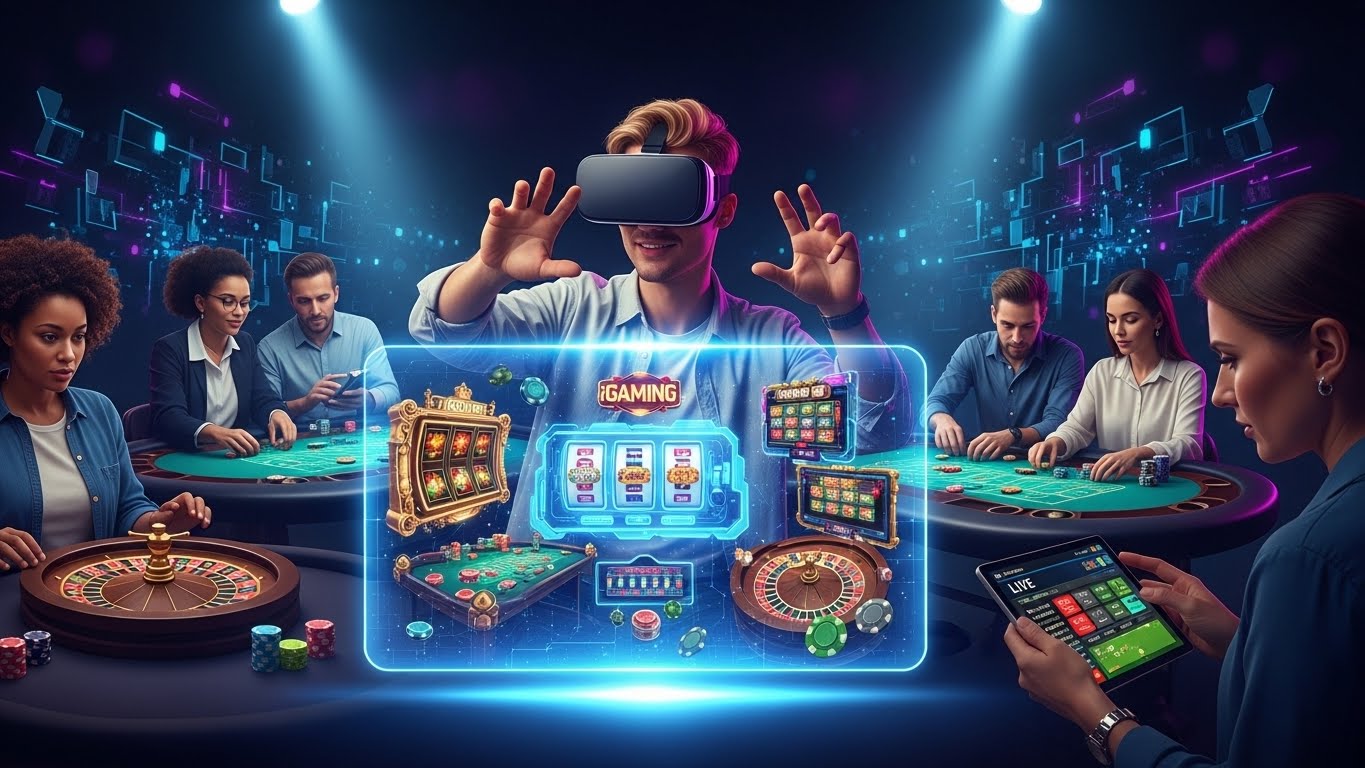






The world of online gaming, commonly referred to as iGaming, has undergone significant transformations over the past few decades. What began as a niche activity has grown into a multi-billion-dollar global industry, attracting millions of players worldwide. With advancements in technology, shifting regulatory landscapes, and changing consumer expectations, the future of iGaming is more exciting than ever. In this blog post, we will explore the growth of iGaming, the technologies shaping its future, and the trends that are expected to dominate the industry in the years to come.
What is iGaming?
Before diving into the future of iGaming, it’s essential to understand what iGaming actually means. iGaming refers to online gambling activities, including casino games, sports betting, poker, bingo, and more, all played over the internet. Unlike traditional gambling, where players visit physical locations like casinos or betting shops, iGaming offers the convenience of gambling from home, or anywhere with an internet connection. The variety of games and betting options available online has attracted a diverse range of players, from casual participants to serious gamblers.
The iGaming sector encompasses a broad spectrum of activities, and it continues to expand, offering new ways for players to engage with their favorite games. From virtual slot machines to live dealer experiences, iGaming offers both traditional and innovative forms of gambling, ensuring there is something for everyone.
The Growth of the iGaming Industry
The rise of iGaming can be attributed to several key factors. Perhaps the most significant driving force is technological innovation. Over the last two decades, improvements in internet speed, mobile technology, and software development have revolutionized the way online gaming platforms operate. The ability to stream high-quality video, create immersive 3D games, and offer real-time betting options has elevated the overall gaming experience, making it more appealing to players worldwide.
Another factor contributing to the growth of iGaming is the increasing legalization of online gambling in various jurisdictions. In the past, many countries had strict laws prohibiting online gambling, but in recent years, more regions have recognized the benefits of regulated iGaming markets. Governments see the potential for tax revenue, job creation, and consumer protection, which has led to the legalization and regulation of online gambling in places like the United Kingdom, parts of Europe, and several states in the United States. This shift has opened up new opportunities for both operators and players, creating a more secure and transparent gaming environment.
In addition, the COVID-19 pandemic accelerated the growth of iGaming. With brick-and-mortar casinos closing their doors and people staying home, many turned to online platforms for entertainment. As a result, iGaming experienced an unprecedented boom in 2020 and beyond, with record numbers of players joining virtual casinos and placing bets on sports and other events. The pandemic served as a catalyst for the iGaming industry’s growth, proving that the demand for online gambling is resilient, even in times of crisis.
The Role of Technology in iGaming’s Evolution
Technology has played a pivotal role in shaping the iGaming industry. From the early days of online poker to the current state of live-streamed casino games, advancements in technology have transformed the way players engage with gambling. Let’s take a closer look at the technological innovations that are driving the future of iGaming.
Virtual Reality (VR) and Augmented Reality (AR)
One of the most exciting developments in iGaming technology is the integration of Virtual Reality (VR) and Augmented Reality (AR). These immersive technologies offer a level of engagement that was previously unimaginable in the online gaming world. Virtual Reality allows players to step into a completely digital environment, where they can interact with other players and experience games as if they were physically present in a casino or sportsbook. VR technology has the potential to transform online gambling by making it feel more like a real-world experience.
Augmented Reality, on the other hand, enhances the real-world environment by overlaying digital elements on top of it. In iGaming, AR could be used to superimpose virtual casino games into the player’s home environment, allowing for a more interactive and personalized experience. While both VR and AR are still in the early stages of adoption in the iGaming sector, they hold immense potential to reshape the industry in the coming years.
Blockchain and Cryptocurrencies
Blockchain technology and cryptocurrencies are also playing an increasingly important role in the iGaming industry. Blockchain, known for its transparency and security, can help ensure that iGaming platforms remain fair and trustworthy. Players can verify the integrity of games and transactions through blockchain’s decentralized ledger system, which prevents tampering and fraud.
Cryptocurrencies like Bitcoin and Ethereum have become popular payment methods on iGaming platforms. These digital currencies offer several advantages over traditional payment methods, such as faster transactions, lower fees, and greater anonymity. Cryptocurrencies allow players to deposit and withdraw funds quickly and securely, and they can help operators streamline their payment processes. As cryptocurrency adoption continues to grow, it’s likely that more iGaming platforms will integrate digital currencies into their payment systems.
Artificial Intelligence (AI) and Machine Learning
Artificial Intelligence (AI) and machine learning are also making waves in the iGaming industry. These technologies enable operators to enhance the player experience by personalizing content and improving game recommendations. AI can analyze player behavior and tailor the gaming experience to individual preferences, ensuring that players have a more enjoyable and customized experience.
Machine learning, a subset of AI, is used by iGaming operators to optimize game odds, detect fraud, and improve customer service. For example, machine learning algorithms can identify patterns in player behavior and predict future actions, enabling operators to prevent problem gambling and enhance the overall gaming experience. AI-powered chatbots are also becoming increasingly common on iGaming platforms, providing players with instant support and assistance.
Mobile Technology
Mobile gaming is another key driver of iGaming’s growth. The rise of smartphones and tablets has made it easier than ever for players to access their favorite casino games, place sports bets, or participate in poker tournaments on the go. Many iGaming platforms have developed mobile apps that offer seamless gameplay, allowing players to enjoy a full range of gaming options from their mobile devices.
With the increasing demand for mobile gaming, operators are focusing on optimizing their platforms for mobile devices. This trend is likely to continue as more players turn to smartphones and tablets for their gaming needs. In fact, some studies suggest that mobile gaming will account for the majority of iGaming revenue in the coming years.
Popular Forms of iGaming
iGaming encompasses a wide range of gambling activities, each with its own unique appeal. Let’s take a look at some of the most popular forms of iGaming today.
Online Casino Games
Online casinos are the backbone of the iGaming industry, offering a diverse selection of games ranging from slots to table games like blackjack, baccarat, and roulette. Many online casinos also offer live dealer games, where players can interact with real dealers via video streams. Live dealer games have become increasingly popular because they offer a more immersive experience compared to traditional RNG-based games.
Online casinos often feature a wide variety of promotions, including welcome bonuses, free spins, and loyalty rewards, which help attract new players and keep existing ones engaged. With the continued development of new games and features, online casinos will remain a central pillar of the iGaming industry.
Sports Betting
Sports betting is another key component of iGaming. From traditional sports like football, basketball, and tennis to more niche offerings such as esports, the world of online sports betting is vast and diverse. The ability to place bets on a wide variety of events in real-time has made sports betting increasingly popular among iGaming enthusiasts.
With the legalization of sports betting in several countries, the market has expanded significantly, and operators are continually innovating by offering new types of bets and interactive features. In-play betting, for example, allows players to place wagers during live events, adding an extra layer of excitement and engagement.
Esports Betting
Esports has become one of the most exciting and fastest-growing segments of iGaming. Competitive gaming, also known as esports, involves professional players or teams competing in video game tournaments, and fans can place bets on the outcomes of these events. Esports has gained immense popularity, with games like League of Legends, Dota 2, and Counter-Strike: Global Offensive attracting millions of viewers and bettors worldwide.
As esports continues to grow, so too does the opportunity for operators to offer innovative betting options. Live streaming, real-time statistics, and interactive betting markets are all becoming standard features on esports betting platforms.
The Challenges Facing iGaming
Despite its rapid growth, the iGaming industry faces several challenges that need to be addressed. One of the most significant challenges is regulation. Since online gambling often crosses national borders, iGaming operators must comply with a patchwork of regulations that vary from country to country. Ensuring that these regulations are consistent, fair, and protective of players will be key to maintaining the integrity of the industry.
Another challenge is the risk of problem gambling. As online gaming becomes more accessible, it’s essential for operators to implement responsible gambling measures to prevent addiction and protect vulnerable players. Many iGaming platforms have already introduced features such as self-exclusion tools, deposit limits, and player protection programs, but more needs to be done to ensure that gambling remains a fun and safe activity for all.
Conclusion
The iGaming industry has come a long way, thanks to technological advancements, regulatory changes, and shifting player preferences. With innovations like virtual reality, blockchain, and artificial intelligence on the horizon, the future of iGaming looks incredibly promising. The industry will continue to evolve, offering new and exciting ways for players to engage with their favorite games. As the market grows, so too will the opportunities for operators and developers to create unique and immersive gaming experiences. For players, the future promises more accessibility, security, and entertainment than ever before.