





The world of entertainment has undergone significant transformations over the last few decades, and one of the most revolutionary sectors in recent years has been the rise of iGaming. Once a niche market, online gaming and gambling have now become a global phenomenon. From online casinos to esports betting and everything in between, iGaming has developed into a multi-billion-dollar industry that is expected to continue its rapid growth. In this blog post, we will dive into the world of iGaming, explore its origins, its current state, and the factors contributing to its widespread popularity, while also considering the future of this rapidly evolving sector.
What is iGaming?
iGaming, short for interactive gaming, refers to any form of gambling or gaming conducted via the internet. This includes online casinos, sports betting, poker, esports betting, and various other forms of online betting. Unlike traditional gaming, which is limited to physical locations like casinos or sports arenas, iGaming is accessible to anyone with an internet connection. Whether on a smartphone, tablet, or computer, players can participate in real-money gaming or even play for free, depending on the platform and their preferences.
The range of iGaming options is vast. Players can enjoy digital versions of traditional casino games such as blackjack, roulette, and slots. Alternatively, they may engage in online sports betting, fantasy sports, or even esports betting, where individuals place wagers on competitive video game tournaments. The iGaming industry is not confined to gambling either; social and skill-based gaming are also part of this expansive digital entertainment world.
The Origins of iGaming: From Land-Based to Online
The origins of iGaming trace back to the early days of the internet. In the 1990s, the first online casinos began to emerge, offering players the chance to play traditional casino games from the comfort of their own homes. One of the first fully functional online casinos, InterCasino, opened its doors in 1996, and it wasn’t long before others followed suit. However, the industry truly took off in the early 2000s, thanks to advances in internet connectivity and software development.
At the same time, online sports betting began to gain traction. Early sports betting platforms allowed players to wager on traditional sports like football, basketball, and horse racing. In the years that followed, online poker became a major draw for iGaming enthusiasts, with sites like PokerStars and PartyPoker taking center stage in the poker boom of the mid-2000s.
By this time, the iGaming industry was no longer a small, niche market. The growth was explosive, with new sites launching constantly, offering a variety of gaming experiences to a broad audience. Players from around the globe flocked to online casinos and poker rooms, and the industry quickly became an integral part of the broader digital entertainment landscape.
The Role of Technology in iGaming’s Growth
The rapid growth of iGaming has been fueled by advancements in technology. The internet itself, of course, is the primary catalyst, allowing players to access gaming platforms from anywhere in the world. But beyond internet access, other technological innovations have played a key role in shaping the iGaming experience.
The development of high-speed internet, along with the rise of smartphones and mobile gaming, has made iGaming even more accessible. Players can now enjoy their favorite games on the go, without needing to sit in front of a desktop computer. The rise of mobile apps has also made it easier for iGaming platforms to reach a wider audience, as players can download apps directly to their smartphones or tablets.
In addition to better internet connectivity, improvements in game design and software have allowed for more immersive and engaging gaming experiences. From high-quality graphics and animations to realistic sound effects, the visual and auditory elements of iGaming have come a long way. Virtual reality (VR) and augmented reality (AR) technologies are beginning to make their way into the world of iGaming, offering players a truly immersive experience that replicates the excitement of a physical casino or sportsbook.
The Global Popularity of iGaming
One of the key factors behind the explosive growth of iGaming is its global appeal. Thanks to the internet, iGaming transcends geographic boundaries, enabling players from virtually every corner of the world to participate. Whether you’re in Europe, Asia, North America, or Africa, online casinos and sportsbooks are available to anyone with an internet connection and the necessary legal permissions.
Furthermore, the wide variety of iGaming options appeals to diverse audiences. For example, traditional casino games like blackjack and roulette attract players who are familiar with the land-based casino experience. Meanwhile, esports betting appeals to a younger demographic who are passionate about video games and competitive gaming. Additionally, online poker continues to attract enthusiasts who enjoy the strategy and skill required to succeed in the game.
Another significant factor contributing to the global popularity of iGaming is the convenience factor. Unlike traditional casinos, which require players to travel to a physical location, iGaming allows players to access their favorite games at any time of day or night, from the comfort of their own homes. This ease of access has been particularly important in the age of social distancing and lockdowns, when many people sought alternative forms of entertainment.
The iGaming Market: A Multi-Billion Dollar Industry
The iGaming industry has become a massive global market, generating billions of dollars in revenue annually. According to various industry reports, the global iGaming market was valued at over $60 billion in 2020, and it is projected to continue growing at a rapid pace in the coming years. With the increasing popularity of online casinos, sports betting, and esports betting, the iGaming industry is expected to reach new heights in terms of both revenue and engagement.
This growth has been driven by several factors, including the continued rise of mobile gaming, the increasing acceptance of online gambling in many regions, and the expansion of iGaming into new markets. In particular, the legalization of online gambling in key markets such as the United States and Canada has opened up new avenues for growth. As more countries move toward the regulation and legalization of iGaming, the market is likely to continue its upward trajectory.
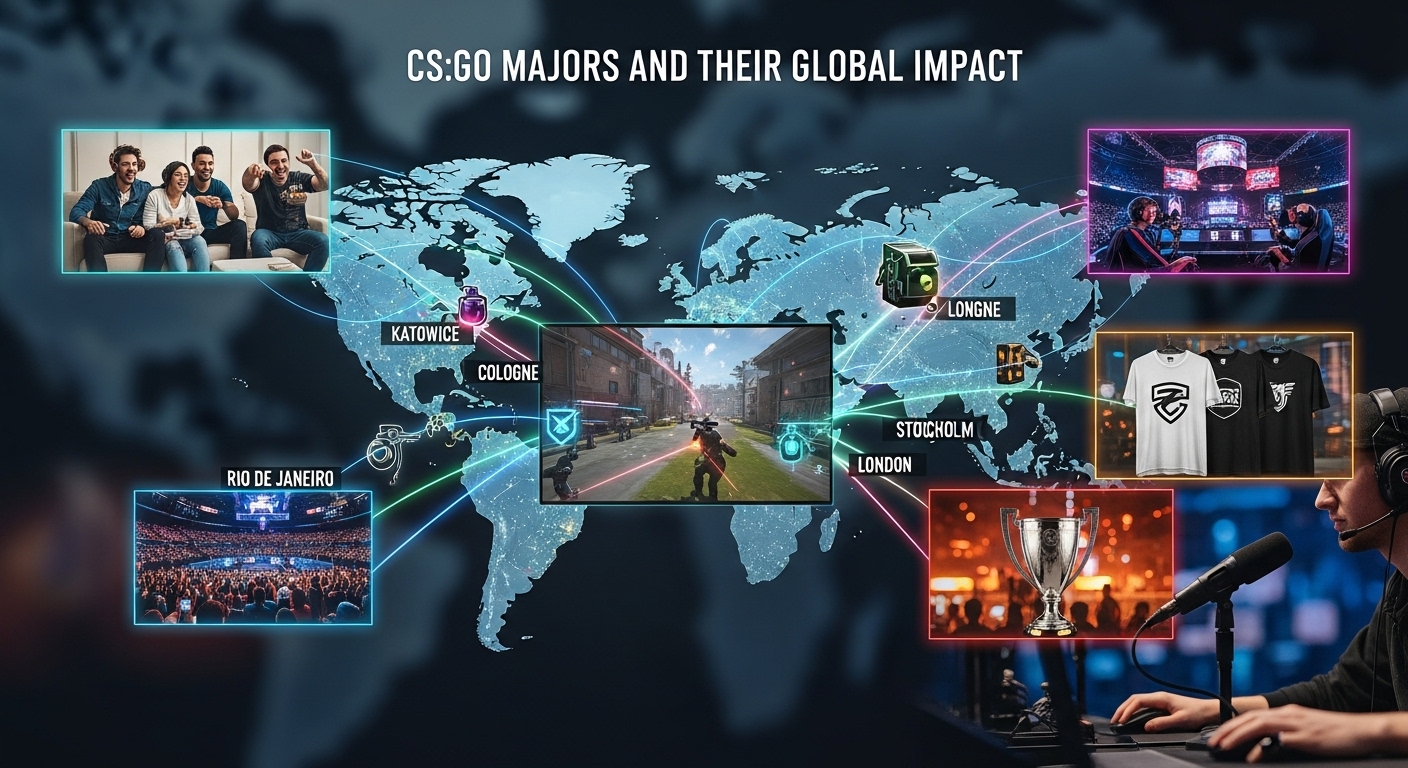
One of the main areas of growth in the iGaming industry is the rise of esports betting. As esports has gained popularity, particularly among younger audiences, more iGaming platforms have begun offering betting opportunities on major esports tournaments and leagues. Games like League of Legends, Dota 2, and Counter-Strike: Global Offensive have become global phenomena, with professional players and teams earning millions of dollars in sponsorships and prize money. The popularity of esports has driven significant growth in esports betting, and it is expected to remain one of the fastest-growing sectors of the iGaming market.
Responsible Gambling and the Future of iGaming
As the iGaming industry continues to expand, it is crucial for operators to prioritize responsible gambling practices. While iGaming can be an exciting and entertaining form of digital entertainment, it also carries the potential for addiction and financial harm. Many iGaming platforms now offer features such as self-exclusion, deposit limits, and responsible gaming education to help players make informed decisions and avoid harmful gambling behavior.
The future of iGaming will likely see an increased focus on player protection and responsible gambling. Governments and regulatory bodies are becoming more involved in overseeing the industry, ensuring that operators adhere to legal and ethical standards. With the continued rise of mobile gaming and social gaming, the lines between gambling and other forms of entertainment will continue to blur, and the need for responsible gaming will be more important than ever.
The Future of iGaming: Innovation and Regulation
Looking ahead, the iGaming industry is poised for further innovation. Technologies like virtual reality and blockchain are likely to play a significant role in the future of online gaming, creating even more immersive experiences for players and providing new opportunities for secure and transparent transactions. Cryptocurrency, in particular, is gaining traction as a payment method in iGaming, offering faster and more secure transactions for players around the world.
At the same time, regulation will continue to be a key issue for the iGaming industry. As more countries move toward legalizing online gambling, governments will need to create frameworks to ensure fairness, security, and consumer protection. Striking the right balance between innovation and regulation will be crucial to the long-term success and sustainability of the iGaming sector.
Conclusion: A New Era of Digital Entertainment
The rise of iGaming marks a new era in the world of entertainment. What was once a niche industry has now grown into a global phenomenon, thanks to technological advancements, the rise of mobile gaming, and the expanding acceptance of online gambling. As the market continues to evolve, iGaming is expected to remain a central part of the digital entertainment landscape, offering players a diverse range of options for both casual and serious gaming.
However, as the industry grows, it will be important to ensure that it remains responsible and sustainable. By focusing on player protection, innovation, and regulation, the iGaming industry can continue to thrive and provide exciting, immersive experiences for players worldwide. Whether you’re a casual player or a dedicated enthusiast, there’s no denying that iGaming is here to stay, and its influence on the entertainment world will only continue to grow.