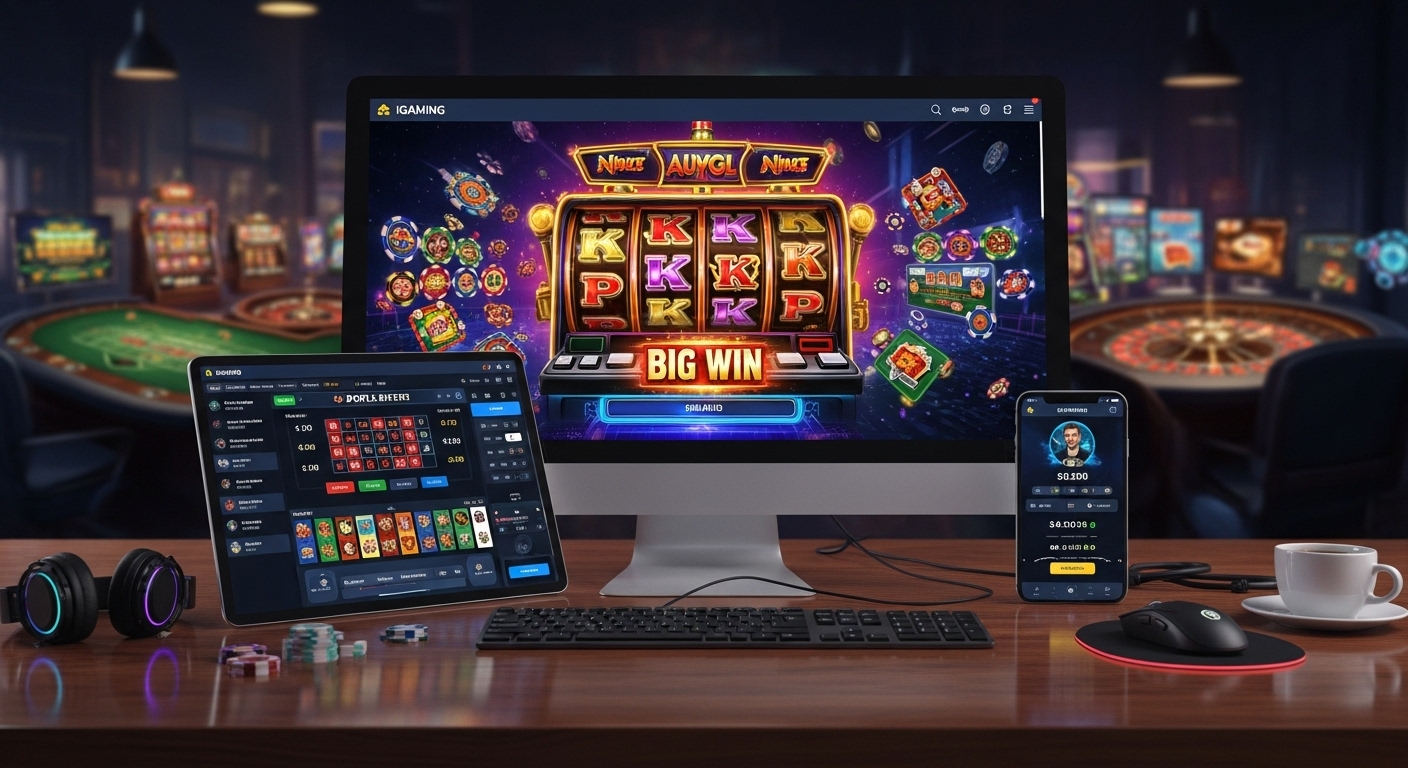






In recent years, iGaming has evolved from a niche hobby into a global entertainment phenomenon, revolutionizing the way people engage with gambling. What was once limited to brick-and-mortar casinos has now exploded into a thriving online industry, spanning everything from casino games to sports betting and even esports wagering. As technology advances, new trends are shaping the future of iGaming, making it an exciting space for both operators and players alike. This post will delve into the key aspects of iGaming, from its origins to the current state of the industry, and provide insights into what lies ahead.
What is iGaming?
Before diving into the complexities of the iGaming industry, it’s important to define what iGaming means. At its core, iGaming refers to gambling or gaming activities that are conducted online. It includes a wide range of games such as online casino games, poker, sports betting, and more recently, esports betting. The primary distinction between iGaming and traditional gambling is that iGaming occurs over the internet, allowing players to engage in real-time gaming without needing to visit a physical venue.
Unlike traditional casinos, iGaming is available 24/7, offering a vast array of options for players around the world. With its growth, iGaming platforms have introduced new forms of entertainment, such as live dealer games, virtual sports, and even gamified betting experiences that blend elements of traditional gaming and interactive entertainment.
The Growth of the iGaming Industry
The rapid growth of iGaming can be attributed to several key factors. The most obvious is the advancement of technology, which has made it easier for operators to offer seamless gaming experiences and for players to access their favorite games from virtually anywhere in the world. With the rise of mobile technology, the ability to play games on smartphones and tablets has also contributed to iGaming’s exponential growth.
Moreover, the legalization of online gambling in several countries has opened new markets for operators. Places like the United Kingdom, Canada, and parts of Europe have seen regulated iGaming markets flourish, with strict rules that aim to protect players while allowing for a fair and transparent gaming experience.
The COVID-19 pandemic further accelerated the growth of the iGaming industry. As people were forced to stay at home and social distancing measures were put in place, online gambling became one of the primary sources of entertainment. During this period, many players who had never before engaged in iGaming discovered the convenience and excitement of online platforms.
The Technology Driving iGaming
One of the main reasons iGaming has experienced such rapid growth is the integration of cutting-edge technologies. These innovations have not only enhanced the user experience but have also increased the accessibility and security of online gaming.
1. Virtual Reality (VR) and Augmented Reality (AR)
Virtual reality and augmented reality are two technologies that are poised to revolutionize the iGaming industry. VR, in particular, can provide an immersive gaming experience where players feel as though they are in a real casino environment, despite being at home. For example, VR poker tables allow players to interact with one another as though they were physically present, creating a more social and engaging experience.
Augmented reality, on the other hand, overlays digital information on the real world. In iGaming, this could mean augmented casino games that bring virtual elements into the player’s physical environment. Though still in its early stages, AR and VR hold immense potential for shaping the future of online gambling.
2. Blockchain and Cryptocurrencies
Blockchain technology is another important development in iGaming. Blockchain offers transparency, security, and decentralization, which can help reduce the risks associated with online gambling. Through blockchain, players can verify the fairness of games and ensure that their transactions are secure and transparent.
Cryptocurrencies like Bitcoin, Ethereum, and others have also been adopted by several iGaming platforms, enabling faster and more secure transactions. Cryptocurrencies allow players to deposit and withdraw funds with lower fees and greater anonymity, which is appealing to many players.
3. Artificial Intelligence (AI) and Machine Learning
Artificial intelligence is playing a significant role in improving the player experience in iGaming. AI can personalize the gaming experience by analyzing player behavior and tailoring game recommendations based on preferences and playing habits. AI is also used to detect fraudulent behavior, ensuring a fair environment for all users.
Machine learning, a subset of AI, is particularly useful for understanding patterns in player behavior. iGaming platforms use machine learning algorithms to optimize odds, predict outcomes, and improve the overall player experience. This makes games more engaging and keeps players coming back.
Popular Forms of iGaming
iGaming encompasses a wide variety of gambling activities. Let’s take a look at some of the most popular forms of online gaming today.
1. Online Casino Games
Online casinos are perhaps the most well-known and widely played form of iGaming. These virtual casinos offer a wide range of games, including slots, blackjack, roulette, baccarat, and poker. Thanks to the advent of live dealer technology, many online casinos now offer real-time games where players can interact with human dealers via video streams.
One of the biggest draws of online casino games is their variety and convenience. Players can switch between different games and take part in new promotions without ever leaving their homes. This flexibility, combined with lucrative bonuses, makes online casinos appealing to a wide range of players.
2. Sports Betting
Sports betting has long been a major part of the gambling world, and with the rise of iGaming, it has become more accessible than ever. Players can bet on a wide variety of sports, from football to tennis to more niche offerings like esports. Live betting, where players can place bets during ongoing events, has become especially popular in recent years.
The integration of real-time data and analytics in sports betting platforms allows players to make informed decisions and predict outcomes more accurately. With mobile apps and live streaming, sports betting has become a highly interactive and immersive experience for players.
3. Esports Betting
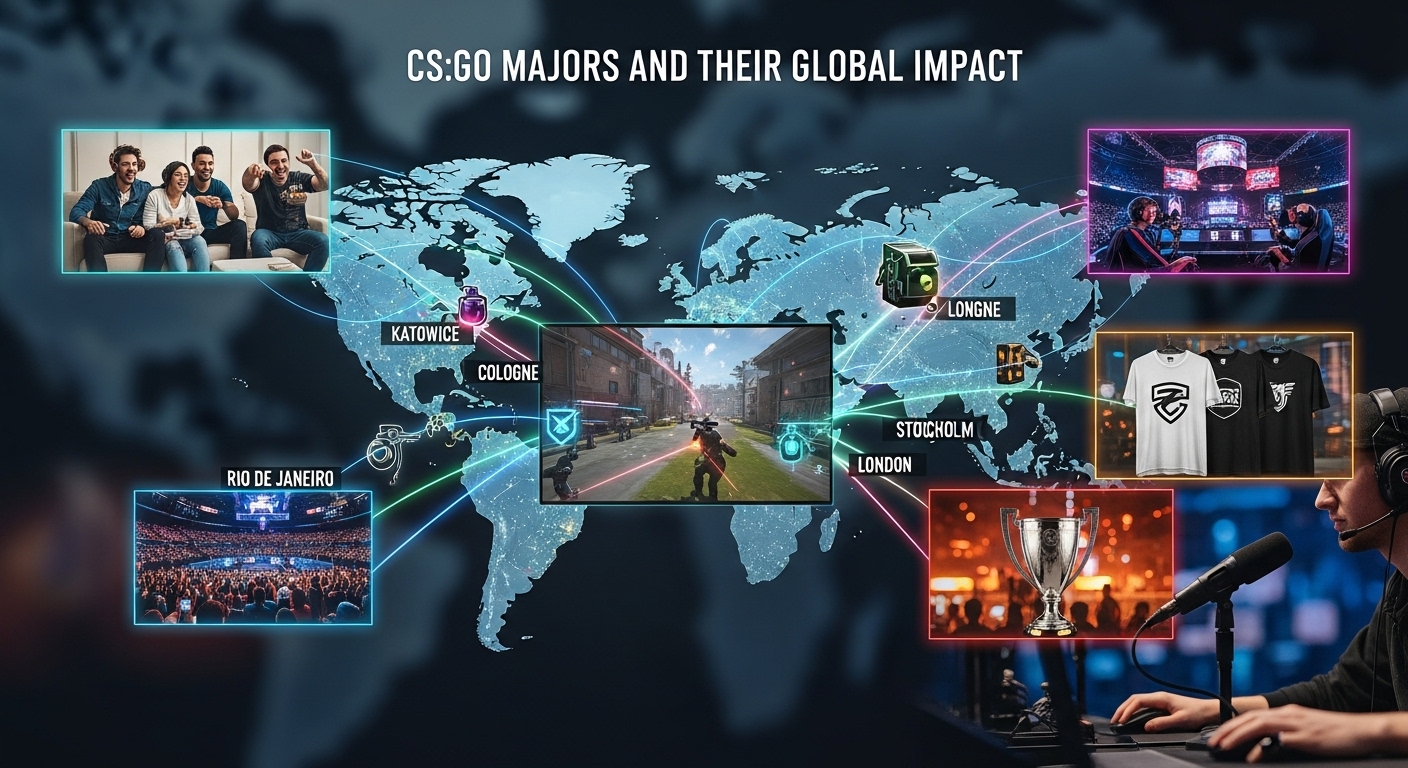
Esports has grown into one of the most exciting and fastest-growing sectors of iGaming. Competitive gaming, or esports, involves players or teams competing in video game tournaments, and esports betting allows players to place bets on the outcomes of these events.
The global popularity of games like League of Legends, Counter-Strike, and Dota 2 has led to a boom in esports betting. iGaming platforms that cater to this market provide odds, statistics, and live-streaming options, enhancing the overall betting experience for fans of competitive gaming.
The Challenges Facing the iGaming Industry
While the growth of iGaming has been substantial, the industry still faces a number of challenges. One of the primary concerns is regulation. Because online gambling crosses borders, operators must navigate a complex landscape of regulations, which can vary from country to country. For example, some regions have strict rules, while others have banned online gambling entirely.
Another issue is the risk of problem gambling. Although many iGaming platforms have implemented measures to promote responsible gaming, such as setting deposit limits and self-exclusion options, the easy accessibility of online gambling can make it tempting for individuals to spend more than they can afford.
Finally, cybersecurity is a concern for both operators and players. Online casinos and betting platforms are prime targets for cyberattacks, as they hold sensitive financial data. Ensuring that iGaming platforms have robust security measures in place is crucial to protect both operators and their customers.
The Future of iGaming
The future of iGaming looks promising, with continued technological advancements set to transform the industry. As more countries legalize online gambling, new markets will open, providing more opportunities for operators. Mobile technology will continue to play a key role, as players increasingly prefer the convenience of gaming on their smartphones.
The integration of VR and AR will likely create new and more immersive gaming experiences. We may even see the development of fully virtual casinos where players can interact with others in a completely virtual environment.
Additionally, the rise of artificial intelligence will make online gaming more personalized and efficient. AI-powered systems could predict player behavior, provide tailored bonuses, and optimize gaming experiences in real time. Blockchain and cryptocurrencies will continue to improve transparency and security in iGaming transactions, fostering trust and credibility in the industry.
Conclusion
The iGaming industry has come a long way since its early days, and it shows no signs of slowing down. With the combination of technological innovation, growing markets, and an expanding range of gaming options, iGaming is set to continue its upward trajectory for years to come. As the industry continues to evolve, players and operators alike will benefit from more engaging, immersive, and secure gaming experiences. The future of iGaming is bright, and its potential for innovation is limitless.