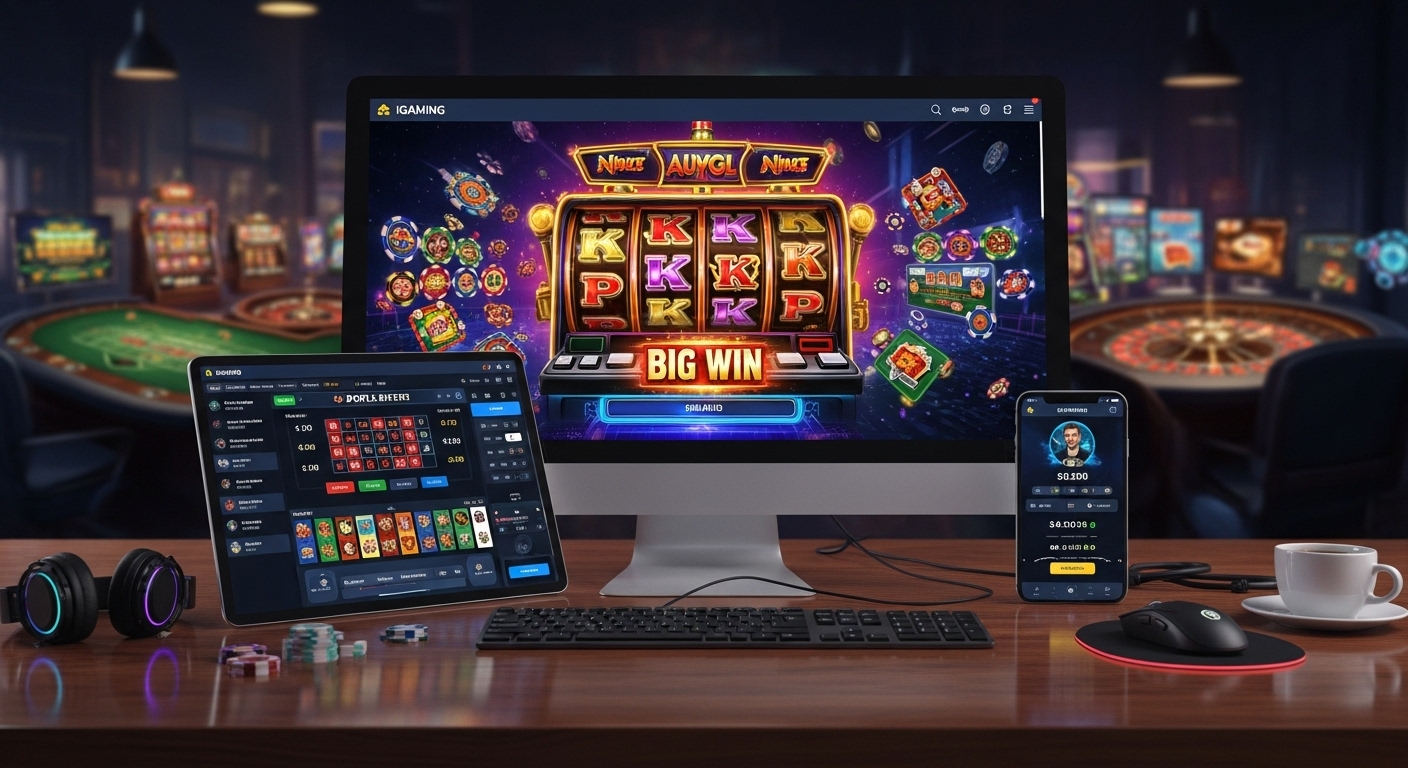






The world of iGaming has transformed over the years, shifting from a niche hobby to a massive global industry. With advancements in technology, changing regulations, and evolving consumer preferences, online gaming has become a cornerstone of digital entertainment. In this blog post, we will explore the rise of iGaming, its impact on the entertainment sector, and what the future holds for this rapidly growing market.
The Growth of Online Gambling: A Historical Overview
iGaming, or online gaming, refers to all forms of betting and gaming that take place over the internet. It includes activities like online casinos, sports betting, poker, and virtual games. The concept of gambling online dates back to the mid-1990s, with the launch of the first online casinos. However, it wasn’t until the early 2000s that the industry began to take off.
Initially, many online casinos and poker rooms were unregulated, which led to concerns about fairness, security, and legality. As a result, the early years of iGaming were marked by a lack of consumer trust. However, as more regulatory frameworks were introduced, and as technology improved, the iGaming industry began to attract a wider audience.
Technology: The Backbone of iGaming’s Success
One of the key drivers of the iGaming boom is the rapid advancement of technology. Online gaming platforms have come a long way in terms of user experience, graphics, and functionality. The rise of high-speed internet, mobile technology, and improved software development has made it possible for players to enjoy immersive gaming experiences from virtually anywhere.
Virtual reality (VR) and augmented reality (AR) are the next frontiers in online gaming. VR has already started to make waves in the casino industry, offering players the ability to experience games in a more realistic environment. This shift could redefine the way people engage with online casinos and sports betting in the coming years.
Moreover, live dealer games, which provide a real-time, interactive gaming experience, have become increasingly popular. These games allow players to connect with real human dealers via video stream, bridging the gap between the digital and physical casino worlds.
Changing Regulations and Increased Legitimacy
Over the past decade, there has been a growing trend towards the regulation and legalization of iGaming. Countries across the globe are recognizing the economic potential of the online gambling industry and are beginning to implement laws and frameworks to govern it.
In Europe, nations such as the UK, Spain, and Malta have established well-regulated environments for online gaming operators. The United States has also made significant strides in legalizing online gambling, with states like New Jersey, Pennsylvania, and Michigan leading the charge.
Regulation has brought a level of legitimacy and security to the iGaming sector, ensuring that operators comply with strict standards regarding fairness, data protection, and responsible gambling. This has also resulted in increased consumer confidence, which in turn has led to greater player participation.
The Impact of iGaming on the Global Economy
The iGaming industry’s rapid growth has had a substantial impact on the global economy. It is estimated that the global online gambling market is worth billions of dollars, with projections suggesting that this figure will continue to rise in the coming years.
iGaming has not only created job opportunities in various sectors, such as software development, marketing, and customer support, but it has also become a significant contributor to government revenues. Taxation from online gaming operators has provided governments with a steady stream of income, which can be reinvested into public services and infrastructure.
In addition, online sports betting has grown into a multi-billion-dollar industry, with major sports leagues and teams partnering with gaming companies to offer betting options. This has further legitimized the iGaming sector, turning it into a mainstream form of entertainment.
The Social Aspect of iGaming: More Than Just a Game
Unlike traditional forms of gambling, iGaming offers a unique social experience. Online poker rooms, multiplayer casino games, and sports betting platforms allow players to interact with each other, often in real-time. This social aspect has made iGaming more appealing to a broader audience, especially among younger players who are accustomed to online interactions.
Furthermore, the rise of esports betting has introduced a whole new dimension to iGaming. Fans of esports tournaments and competitive gaming can now place wagers on their favorite teams or players, further merging traditional sports betting with the world of digital gaming.
The Future of iGaming: What’s Next?
The future of iGaming looks incredibly promising, with several trends likely to shape the industry in the coming years. As previously mentioned, virtual and augmented reality are expected to play a major role in creating more immersive gaming experiences. Additionally, advancements in artificial intelligence (AI) will allow gaming platforms to offer more personalized experiences based on players’ behavior and preferences.
Blockchain technology could also revolutionize the industry by providing transparent, secure, and decentralized payment systems. Cryptocurrencies like Bitcoin and Ethereum are already being used by many online casinos and sportsbooks, and as blockchain adoption increases, it could further streamline transactions and reduce fraud.
Lastly, the rise of mobile gaming shows no signs of slowing down. With the increasing number of people using smartphones to access online gaming platforms, mobile-friendly websites and apps will continue to be a critical focus for operators looking to engage with players on-the-go.
Conclusion
The iGaming industry has evolved from its humble beginnings into a global entertainment powerhouse. With cutting-edge technology, evolving regulations, and a growing social aspect, online gaming is set to become even more integrated into mainstream entertainment. As the sector continues to expand, players, operators, and governments alike will need to adapt to new trends and challenges, ensuring that iGaming remains a safe, fair, and enjoyable experience for all involved.
Whether you are a casual gamer, a professional bettor, or someone just curious about the world of iGaming, it’s clear that this industry is one to watch closely as it continues to evolve in the years ahead.