





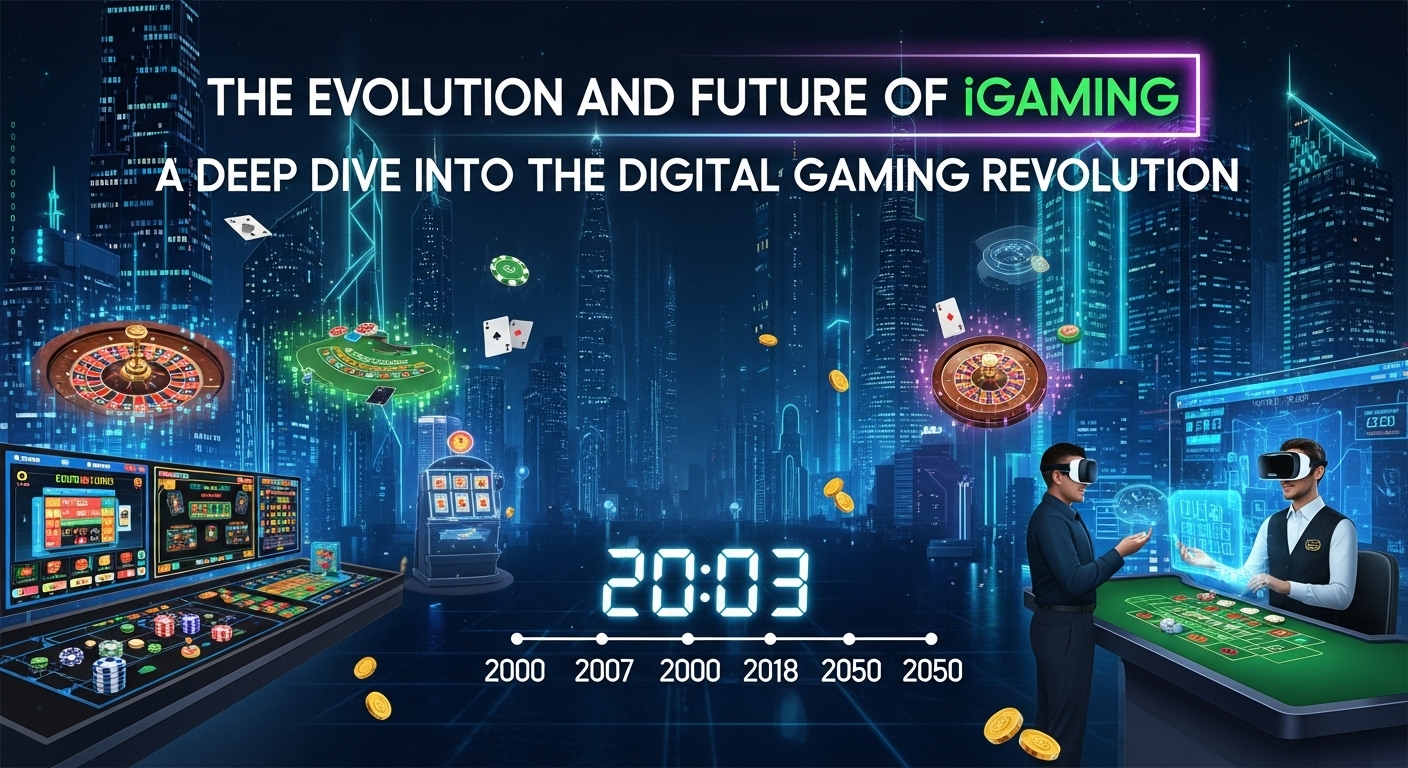
The iGaming industry, encompassing online casinos, sports betting, poker, and other forms of digital gambling, has seen phenomenal growth over the past two decades. With the advent of smartphones, faster internet, and advanced technology, iGaming has transitioned from a niche entertainment sector to a mainstream global phenomenon. This blog explores the history, development, technological innovations, regulatory aspects, and societal impacts of iGaming.
The Origins of iGaming
The roots of iGaming can be traced back to the mid-1990s when the first online casinos emerged. Early platforms provided rudimentary gaming experiences, often limited to simple slots or poker games. Despite their simplicity, these platforms laid the foundation for a rapidly growing digital gambling ecosystem.
Initially, trust was a major hurdle. Players were skeptical about the fairness and security of online platforms. Software developers responded by introducing random number generators (RNGs) and encryption methods to ensure fair play and data protection. This period marked the beginning of regulatory frameworks aimed at protecting both players and operators.
Technological Advancements Driving iGaming
Technology has been a major catalyst in the evolution of iGaming. High-speed internet, mobile devices, and sophisticated software have transformed online gambling into an immersive and interactive experience.
Mobile Gaming
The proliferation of smartphones has allowed iGaming operators to reach a wider audience. Mobile apps and responsive websites enable users to play anytime, anywhere. Mobile gaming also opened doors for casual players who prefer short gaming sessions over traditional, time-consuming casino visits.
Live Dealer Games
One of the most significant technological advancements in iGaming is the live dealer system. Using high-definition streaming, players can interact with real dealers in real-time. This innovation bridges the gap between physical casinos and online platforms, providing an authentic gaming experience that mimics the thrill of brick-and-mortar casinos.
Virtual Reality and Augmented Reality
Virtual reality (VR) and augmented reality (AR) are gradually shaping the future of iGaming. VR casinos allow players to explore digital casino environments, interact with other players, and participate in immersive games. AR applications enhance real-world gaming experiences by integrating digital elements, creating a hybrid gaming space that merges reality with virtual gameplay.
Popular iGaming Segments
iGaming is not a monolithic industry; it comprises several distinct segments, each attracting different types of players.
Online Casinos
Online casinos remain the backbone of iGaming. They offer an array of games, including slots, blackjack, roulette, and baccarat. Modern online casinos focus on user experience, incorporating high-quality graphics, intuitive navigation, and attractive bonuses to retain players.
Sports Betting
Sports betting has transitioned from physical bookmakers to digital platforms. Players can now wager on a variety of sports, from football and basketball to esports and virtual sports. Live betting, where wagers are placed during the ongoing event, has particularly revolutionized the sports betting segment.
Poker and Card Games
Poker remains a staple of the iGaming industry. Online poker platforms provide tournaments, cash games, and multiplayer experiences. The digital environment has increased accessibility for players worldwide, allowing participation in international events without leaving home.
Esports Betting
Esports betting is an emerging sector within iGaming. Competitive video gaming tournaments attract massive audiences, creating new opportunities for betting markets. Players can bet on outcomes, in-game achievements, and tournament standings, making esports betting a dynamic and fast-growing segment.
Regulatory Landscape of iGaming
The growth of iGaming has necessitated robust regulatory frameworks. Regulatory oversight varies widely across countries, reflecting local attitudes toward gambling.
Some regions, like Malta and the United Kingdom, have established comprehensive licensing systems, ensuring operators adhere to strict standards of fairness, security, and responsible gambling. Others maintain restrictive policies, limiting or banning online gambling entirely.
Regulation is crucial for protecting players from fraud, addiction, and financial loss. Responsible gambling initiatives, self-exclusion programs, and player verification protocols are increasingly common in regulated markets.
Responsible Gambling and Player Protection
As iGaming grows, so does the need to address problem gambling. Responsible gambling initiatives are critical for ensuring a safe and sustainable industry.
Self-Exclusion Programs
Many platforms now offer self-exclusion options, allowing players to temporarily or permanently block access to their accounts. This helps prevent compulsive gambling and provides a safeguard for those struggling with addiction.
Betting Limits and Time Management
Operators often implement deposit limits, wagering limits, and time management features. These tools allow players to control their spending and time, promoting responsible gambling habits.
Awareness Campaigns
Public awareness campaigns aim to educate players about the risks of gambling. They provide resources for recognizing addictive behavior and seeking help when needed. By fostering a culture of awareness, the industry aims to minimize harm while maintaining entertainment value.
Economic Impact of iGaming
iGaming has significant economic implications. Globally, the industry generates billions in revenue, supports thousands of jobs, and contributes to government tax income through licensing and taxation.
Digital platforms have also enabled economic opportunities beyond gambling itself. Software development, payment processing, marketing, and customer support have all become thriving sectors thanks to the expansion of iGaming.
Furthermore, iGaming has a ripple effect on tourism and entertainment industries. Successful online platforms often collaborate with brick-and-mortar casinos, events, and promotions, creating a symbiotic relationship that boosts local and global economies.
Future Trends in iGaming
The future of iGaming is closely tied to technological innovation and evolving player preferences.
Artificial Intelligence and Personalization
Artificial intelligence (AI) is being integrated into iGaming platforms to enhance personalization. AI algorithms analyze player behavior, offering tailored game recommendations, bonus offers, and customer support. Personalization improves user engagement and retention, shaping the next generation of digital gambling experiences.
Blockchain and Cryptocurrencies
Blockchain technology and cryptocurrencies are transforming payment systems within iGaming. Cryptocurrencies offer faster, more secure transactions while maintaining user anonymity. Blockchain also ensures transparency, verifiable fairness, and reduced fraud risk, particularly in casino games relying on RNGs.
Gamification and Social Integration
Gamification strategies, such as achievements, leaderboards, and social sharing, are increasingly used to enhance player engagement. Integrating social features creates a community around gaming, transforming solitary experiences into interactive, social entertainment.
Regulatory Evolution
Regulatory frameworks will continue to evolve in response to technology and market trends. Emerging markets are expected to implement structured licensing systems, while existing regulators may update rules to incorporate VR, AR, blockchain, and esports betting.
Challenges and Controversies in iGaming
Despite its growth, iGaming faces ongoing challenges and controversies.
Gambling Addiction
Gambling addiction remains a significant concern. While responsible gambling initiatives exist, the addictive nature of certain games and easy access to online platforms pose ongoing risks. Industry stakeholders continue to seek better solutions for prevention, intervention, and rehabilitation.
Cybersecurity Threats
iGaming platforms are prime targets for cybercrime. Data breaches, identity theft, and financial fraud are persistent threats. Robust cybersecurity measures, including encryption, multi-factor authentication, and continuous monitoring, are critical for maintaining trust and safety.
Ethical Considerations
The ethical dimension of iGaming is a subject of debate. Critics argue that aggressive marketing tactics, particularly towards younger audiences, can exacerbate gambling addiction. Striking a balance between business interests and social responsibility is an ongoing challenge for operators.
Conclusion
The iGaming industry represents a remarkable convergence of technology, entertainment, and economic activity. From humble beginnings in the 1990s to today’s immersive, high-tech experiences, iGaming has grown into a global powerhouse.
Technological innovations, including mobile gaming, live dealer platforms, VR/AR experiences, and AI-driven personalization, continue to push the industry forward. At the same time, regulatory frameworks, responsible gambling initiatives, and cybersecurity measures ensure that growth is sustainable and players are protected.
As iGaming continues to evolve, it will undoubtedly present new opportunities, challenges, and innovations. For players, operators, and regulators alike, the key lies in balancing excitement with responsibility, technology with ethics, and profit with societal impact. The journey of iGaming is far from over, and its story is still being written—one game, one bet, and one innovation at a time.