




Introduction: The Rise of Online Gaming and Its Cultural Impact
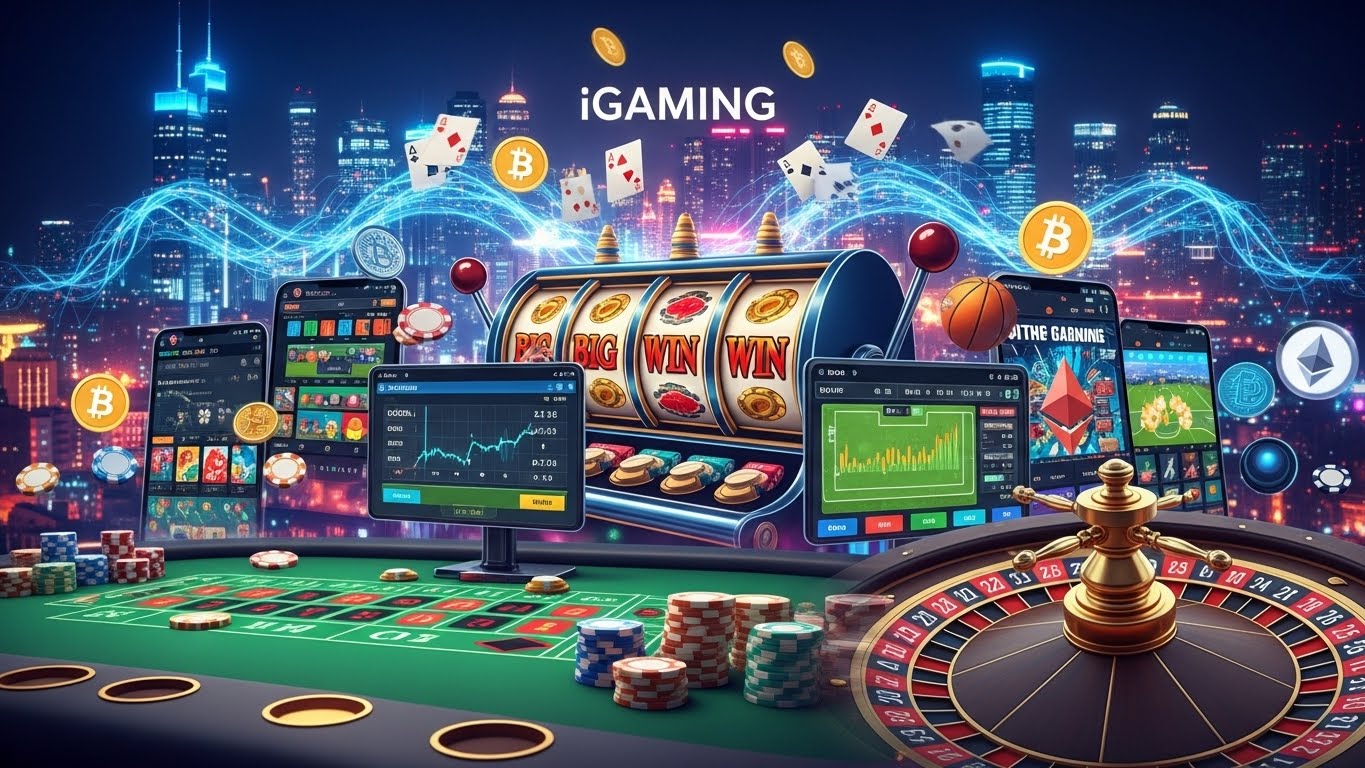
Over the past decade, iGaming—an umbrella term encompassing all forms of online gambling including sports betting, casino games, poker, and more—has grown exponentially. Once a niche sector, it has now become a global phenomenon, evolving into a multi-billion-dollar industry. This transformation has been fueled by a combination of technological advancements, the rise of mobile gaming, and a more connected world. What started as simple card games on early internet platforms has grown into a digital powerhouse, providing players with immersive experiences that rival land-based casinos. iGaming is reshaping the entertainment landscape, attracting a diverse range of players, from casual gamblers to serious bettors, across the globe.
The Early Days of iGaming: From Land-Based Casinos to Digital Platforms
The history of iGaming dates back to the mid-1990s, when the first online casinos were launched. Before this time, gambling was traditionally confined to physical casinos, racetracks, and betting shops. The shift toward digital platforms began with the launch of the first online casino in 1994, offering games such as blackjack, roulette, and poker. These early online casinos were relatively simple, but they quickly caught the attention of gamblers seeking more accessible and convenient ways to engage with their favorite games. The introduction of secure online payment systems, better internet speeds, and more sophisticated software in the early 2000s paved the way for the rapid expansion of the iGaming industry.
The Expansion of iGaming: From a Niche to a Global Industry
As the internet matured and access to high-speed broadband became more widespread, iGaming started to attract a wider audience. The appeal of being able to play from the comfort of home, without the need to travel to a physical casino, was undeniable. Online poker rooms, slot machines, and sports betting sites quickly gained popularity, and the industry began to diversify. Major casino operators from around the world started to expand their services online, and new gaming software developers emerged, offering innovative gaming experiences. The launch of online poker tournaments, such as the World Series of Poker (WSOP), helped to propel iGaming into the mainstream. What was once a niche market was now becoming a legitimate industry that generated billions of dollars in revenue each year.
The Role of Technology in Shaping iGaming
Technology has been the driving force behind the iGaming revolution. One of the most significant developments has been the improvement of online security. Players demand a safe and secure environment to gamble, and the industry has responded with cutting-edge encryption technologies to protect sensitive information. Additionally, advancements in software development have allowed iGaming platforms to offer smoother gameplay, better graphics, and more interactive experiences.
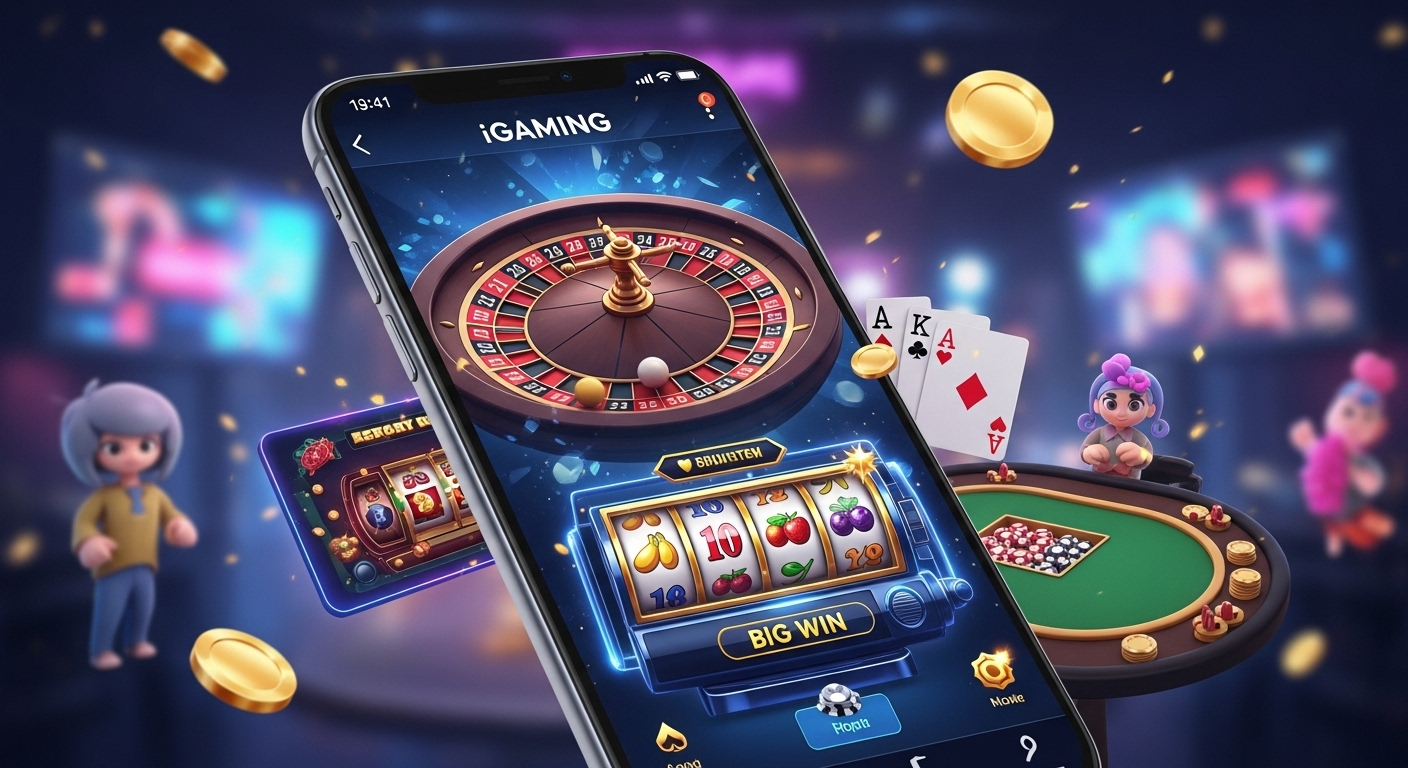
Mobile technology has also played a critical role in the growth of iGaming. Today, the majority of online gambling takes place on smartphones and tablets, allowing players to access games on-the-go. Mobile-friendly platforms and apps have made it possible for players to place bets, spin slots, or participate in live dealer games anywhere at any time. The increasing popularity of mobile gaming has significantly expanded the reach of iGaming, particularly among younger, tech-savvy audiences.
The use of artificial intelligence (AI) and machine learning is also becoming more prevalent in iGaming. AI algorithms are used to offer personalized recommendations, track player behavior, and ensure the fairness of games. Moreover, AI-driven chatbots are helping iGaming platforms improve customer service, providing instant support for players at any time of day.
Live Dealer Games: Bringing the Casino Experience to Your Home
One of the most exciting developments in iGaming has been the rise of live dealer games. Unlike traditional online casino games that use random number generators (RNGs), live dealer games feature real human dealers who host games in real-time. These games are streamed to players via HD video, and players can interact with the dealer and other participants via a live chat function. Popular games such as blackjack, roulette, baccarat, and poker are now available in live formats, bringing the thrill of land-based casinos directly to players’ screens.
Live dealer games offer a level of authenticity and interaction that traditional online games cannot match. The human element—combined with real-time action and the ability to interact with a dealer—has made live dealer games a hit among players. Additionally, these games are available 24/7, allowing players to enjoy the casino experience at their convenience. Live dealer games are also helping to bridge the gap between land-based casinos and online platforms, creating a more immersive and social gaming experience.
The Popularity of Sports Betting in the iGaming Sector
Another major aspect of iGaming that has seen significant growth is online sports betting. Sports betting has always been a popular form of gambling, but the advent of online platforms has made it more accessible and convenient. Bettors can now wager on a variety of sports, including football, basketball, tennis, horse racing, and even esports. With the rise of online sportsbooks, players can place bets, view odds, and track live scores in real-time from their devices.
In addition to traditional sports, the explosion of esports has created a new market for iGaming. Competitive video gaming has become a global phenomenon, and esports betting has quickly become a major segment within the iGaming industry. Betting on esports tournaments and leagues is now commonplace, and major betting platforms have begun offering odds on games like League of Legends, Dota 2, and Counter-Strike: Global Offensive. The rise of esports betting has attracted a younger demographic to the iGaming market, further diversifying the audience.
Mobile iGaming: Convenience at Your Fingertips
Mobile iGaming has completely revolutionized how people engage with online gambling. The widespread use of smartphones and tablets means that players are no longer confined to their desktops or laptops. Today, players can access their favorite casino games, poker tables, and sports betting platforms from anywhere at any time. Whether they’re on a bus, at a coffee shop, or relaxing at home, players can simply open their mobile app or browser and enjoy their gaming experience.
The demand for mobile gaming has led to the development of specialized mobile apps for iGaming platforms. These apps offer a seamless experience, with optimized graphics, smooth gameplay, and secure payment systems. Mobile iGaming has also been bolstered by the advent of 5G technology, which promises even faster and more reliable internet connections. This improvement will allow players to stream live dealer games in high definition with minimal lag and delay.
Regulation and Licensing: Ensuring Fairness and Security
As the iGaming industry grows, so does the need for regulation. Given the potential for fraud, money laundering, and problem gambling, regulatory bodies are essential to ensure that online gaming platforms operate fairly and securely. Various jurisdictions around the world have developed their own sets of regulations, which require iGaming operators to obtain licenses and meet strict standards.
Some of the most reputable regulatory bodies include the UK Gambling Commission, the Malta Gaming Authority, and the Gibraltar Regulatory Authority. These organizations ensure that iGaming platforms adhere to fair play standards, implement responsible gaming practices, and protect players’ personal data. By regulating the industry, these bodies help maintain consumer confidence and prevent the exploitation of players.
The Economic Impact of iGaming
iGaming has become a major contributor to the global economy. According to estimates, the online gambling industry is worth tens of billions of dollars, and this number continues to grow each year. In addition to the profits generated by online casinos and sportsbooks, the iGaming sector creates jobs in a variety of fields, including software development, customer support, marketing, and cybersecurity.
The rise of iGaming has also led to an increase in government revenues. Many jurisdictions have introduced taxes and licensing fees for iGaming operators, which contribute to public funding. In some cases, governments use these funds to support social programs, education, and responsible gaming initiatives. The economic benefits of iGaming extend beyond just financial gains, as the industry fosters innovation and technological development in sectors like online security, mobile computing, and virtual reality.
The Future of iGaming: Virtual Reality, Blockchain, and More
As the iGaming industry continues to evolve, new technologies are expected to play a significant role in shaping its future. Virtual reality (VR) and augmented reality (AR) have the potential to revolutionize the online gambling experience. VR casinos, where players can walk through a 3D environment and interact with other players and dealers, could become the norm in the coming years. These technologies would offer a more immersive and realistic gaming experience, bringing the thrill of a physical casino directly into players’ homes.
Blockchain technology is also poised to make a big impact on iGaming. By providing a decentralized and transparent way to track transactions, blockchain could offer a higher level of security and fairness to online gambling platforms. Smart contracts, powered by blockchain, could be used to automate betting processes and payouts, ensuring greater transparency and efficiency.
Conclusion: The Ongoing Transformation of iGaming
iGaming has undergone a remarkable transformation in recent years, becoming one of the fastest-growing sectors in global entertainment. Thanks to advancements in technology, mobile gaming, live dealer games, and sports betting, iGaming has captured the attention of millions of players worldwide. With a commitment to security, fairness, and innovation, the industry continues to evolve, offering new and exciting experiences to players across the globe. As technology continues to advance, the future of iGaming looks brighter than ever, with virtual reality, blockchain, and other cutting-edge technologies poised to reshape the way we experience online gaming. Whether you’re an occasional player or a serious bettor, iGaming is here to stay, and it promises to deliver even more exciting opportunities in the years to come.