





Introduction
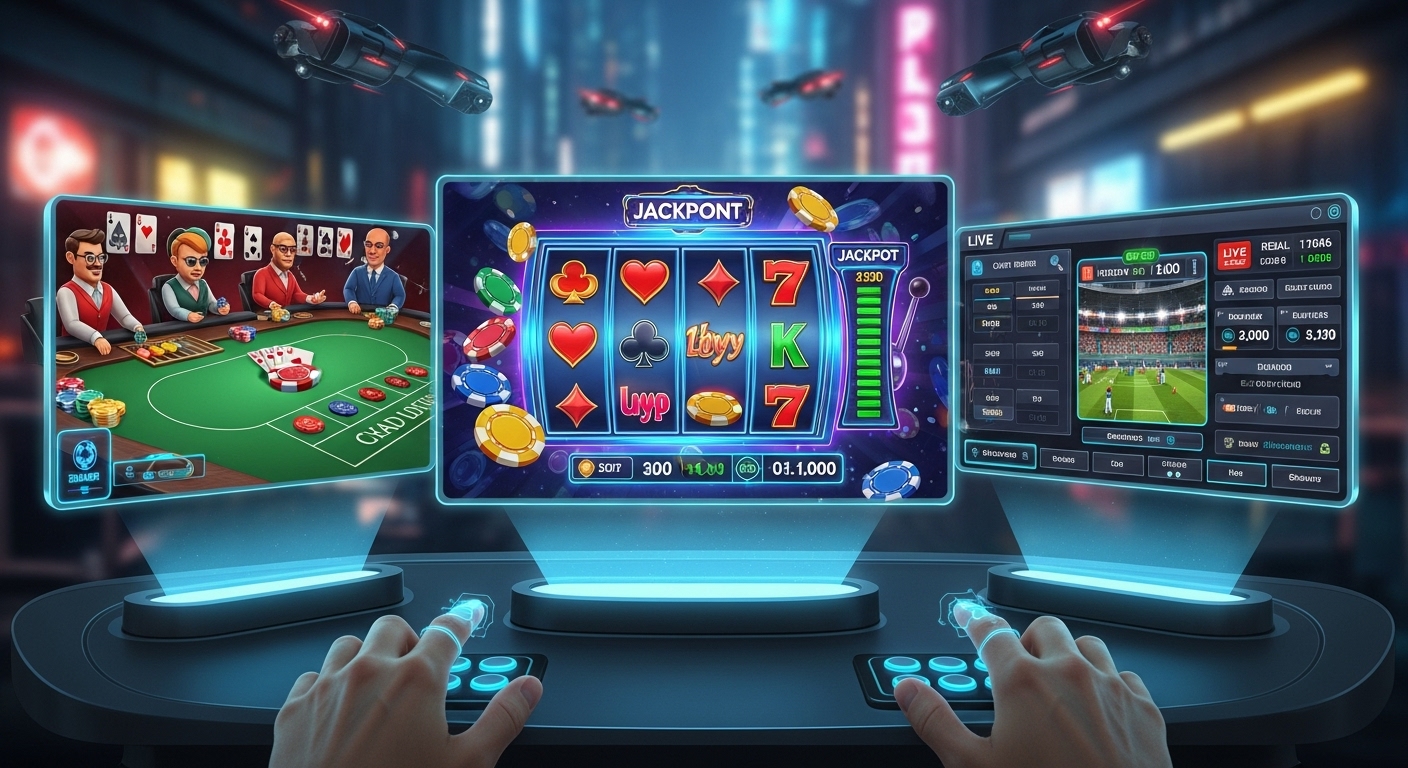
The digital entertainment world is evolving at an unprecedented pace, and at the heart of this evolution lies iGaming. From casual mobile games to professional esports and online casino platforms, iGaming has grown into a global phenomenon. What once was considered a niche hobby has now become a mainstream form of entertainment, captivating millions of players worldwide. The rise of iGaming is fueled by advancements in technology, changing player expectations, and the social aspects of gaming. This blog explores the rise of iGaming, its technological innovations, player behavior, and what the future holds for this booming industry.
The Definition and Scope of iGaming
iGaming refers to online gaming activities that involve skill, chance, or competition, often in exchange for rewards or recognition. This includes online casinos, sports betting, esports, fantasy sports, and interactive skill-based games. The term “iGaming” has evolved to represent not just gambling but a broader category of digital gaming where entertainment, competition, and social interaction intersect.
The industry’s rapid growth is attributed to accessibility. Any individual with a smartphone, tablet, or computer can access these platforms, making gaming a truly global activity. Unlike traditional gaming, iGaming allows instant access, a wide variety of games, and opportunities to engage with players across the world. This level of accessibility has contributed to its mainstream popularity.
Technological Innovations Shaping iGaming
The explosion of iGaming is closely tied to advancements in technology. Developers are leveraging cutting-edge tools to enhance user experience, realism, and interactivity.
Mobile Gaming
Mobile devices have transformed the way players engage with iGaming. Games are now designed for touchscreens, with intuitive controls and compact user interfaces. Mobile-first platforms allow users to play anytime and anywhere, creating a flexible and highly personalized gaming experience.
Artificial Intelligence
AI is reshaping iGaming by analyzing player behavior, optimizing game mechanics, and personalizing experiences. It enables platforms to offer tailored recommendations, dynamic difficulty levels, and intelligent opponents. AI also plays a critical role in fraud prevention and responsible gaming, identifying patterns of potential problem behavior before they escalate.
Live Streaming Technology
Live streaming has elevated iGaming experiences, especially in live casino games and esports. Real-time interaction with hosts, dealers, and other players creates a sense of community and engagement similar to physical venues. Players are drawn to the authenticity and excitement of watching events unfold live while participating from their own devices.
Virtual Reality and Augmented Reality
Virtual reality (VR) and augmented reality (AR) are opening new horizons in iGaming. VR can immerse players into fully interactive 3D environments, while AR overlays digital elements onto real-world settings, enhancing the gaming experience. These technologies promise to make online gaming more immersive, engaging, and realistic than ever before.
Changing Player Behavior and Expectations
The iGaming experience has evolved beyond simple entertainment. Modern players are seeking social interaction, skill development, and personalized engagement.
Community Engagement
Social interaction is a key element of iGaming’s success. Multiplayer games, in-game chat features, and online tournaments allow players to form connections and share experiences. Communities around games provide motivation, collaboration, and healthy competition, making gaming a collective rather than solitary activity.
Skill Development and Strategy
Unlike traditional games of chance, many iGaming platforms focus on skill-based challenges. Players develop strategies, problem-solving abilities, and quick decision-making skills. This appeals to those who enjoy cognitive engagement alongside entertainment, adding depth and replay value to games.
Customization and Identity
Personalization has become a major trend in iGaming. Players can create avatars, customize game interfaces, and unlock rewards or achievements that reflect their identity. These features increase emotional investment, turning casual users into dedicated participants who feel a strong connection to the virtual world.
Economic Impact of iGaming
iGaming is not just reshaping entertainment; it is also contributing to the global economy.
Job Creation
The industry supports employment across multiple sectors, including game development, software engineering, graphic design, customer service, marketing, and live hosting. As platforms expand, job opportunities continue to grow, making iGaming a significant contributor to the digital economy.
Revenue Generation
iGaming generates substantial revenue through in-game purchases, subscription models, advertising, and betting. This financial impact extends beyond gaming companies, affecting tech providers, streaming platforms, and even hardware manufacturers who supply devices optimized for gaming experiences.
Global Reach
iGaming platforms are inherently global. Players from diverse regions interact seamlessly, creating a worldwide network of consumers and influencers. This international exposure has expanded the market potential for developers and increased cross-cultural exchanges through gaming communities.
Responsible Gaming and Industry Regulation
As the iGaming industry expands, responsible gaming practices have become essential. Platforms are implementing tools to help players manage their gaming habits, including spending limits, time management features, and self-assessment tools. These initiatives aim to create a safe environment while minimizing the risk of addictive behaviors.
AI and data analytics are helping monitor player behavior, allowing platforms to intervene when patterns suggest a risk of excessive gambling or unhealthy engagement. This proactive approach highlights the industry’s commitment to sustainability and ethical practices.
Regulation plays a key role in maintaining fairness and trust. Licensing, secure payment processing, and compliance with local laws ensure players have a safe experience while fostering legitimacy for the industry at large.
The Future of iGaming
The future of iGaming looks promising, with emerging technologies and evolving player expectations driving innovation.
Hyper-Immersive Experiences
VR, AR, and advanced graphics will create fully immersive game worlds that blur the line between virtual and physical realities. Players may interact with environments using motion tracking, haptic feedback, and realistic simulations, taking engagement to new levels.
Cross-Platform Play
Cross-platform compatibility will enable players to switch seamlessly between mobile, console, and PC gaming without losing progress. This interconnected ecosystem enhances accessibility and strengthens user retention.
Competitive Gaming and Esports Growth
Esports and competitive tournaments are becoming increasingly mainstream, attracting professional players, sponsorships, and global audiences. Competitive gaming adds prestige and recognition to the iGaming landscape, expanding its reach beyond casual entertainment.
AI-Driven Personal Worlds
AI will continue to drive personalization, creating unique gaming experiences for each player. Games may adapt dynamically to user preferences, behavior, and progress, resulting in a customized world for every participant.
Cultural Impact of iGaming
iGaming has a cultural influence beyond entertainment and revenue. It shapes how people interact with technology, approach challenges, and socialize online. Games have inspired movies, television shows, music, fashion trends, and social media conversations. As gaming becomes a part of mainstream culture, it influences the broader digital landscape and how communities are formed online.
Conclusion
iGaming has transformed from a niche hobby into a global digital entertainment powerhouse. Through technological innovation, community engagement, and personalized experiences, it has created a dynamic environment where players can connect, compete, and develop skills. The industry’s economic impact, cultural significance, and potential for future growth highlight its role as a defining force in digital entertainment.
As we move forward, iGaming will continue to push boundaries, offering more immersive, engaging, and socially connected experiences. From virtual reality adventures to AI-driven worlds and global competitions, the future of iGaming promises to redefine how we perceive gaming, entertainment, and digital interaction. This is not just the evolution of play; it is the revolution of entertainment itself.