





The world of entertainment has been rapidly shifting over the last few decades, and one area that has seen a dramatic transformation is the rise of iGaming. With technological advancements, changing social attitudes, and the widespread use of smartphones and the internet, iGaming has rapidly grown from a niche activity to a global phenomenon. From online casinos to mobile gaming apps, virtual sports to esports betting, iGaming has diversified into an all-encompassing digital experience that connects millions of players worldwide.
In this blog, we’ll explore the evolution of iGaming, how it has reshaped the entertainment industry, and what the future holds for this ever-growing sector.
What Is iGaming?
At its core, iGaming refers to any form of gambling or gaming conducted over the internet. This includes online casinos, sports betting, poker, bingo, esports, and any other gaming experience that is delivered digitally. Unlike traditional land-based gambling, iGaming allows players to participate in real-time, 24/7, from the comfort of their own homes or on-the-go via mobile devices.
The term “iGaming” itself reflects the intersection of two powerful industries—gaming and internet technology—both of which have played an integral role in its meteoric rise. The convenience, accessibility, and entertainment value of iGaming have transformed how people interact with gaming and gambling, making it an integral part of modern entertainment culture.
The Early Days of Online Gambling
The origins of iGaming trace back to the late 1990s, a time when the internet was still in its infancy. The first online casinos were launched in the mid-1990s, allowing players to enjoy traditional casino games like blackjack, poker, and roulette from their computers. While these early platforms were rudimentary in comparison to today’s standards, they paved the way for a new era of gaming.
As technology advanced, so did the gaming experience. The introduction of secure online payment methods, advancements in graphics and game design, and the increasing availability of high-speed internet helped the iGaming sector expand beyond its humble beginnings. By the early 2000s, the popularity of online poker surged, especially after the “poker boom” in the United States, driven by televised tournaments and the emergence of online poker rooms.
The Rise of Mobile Gaming and Apps
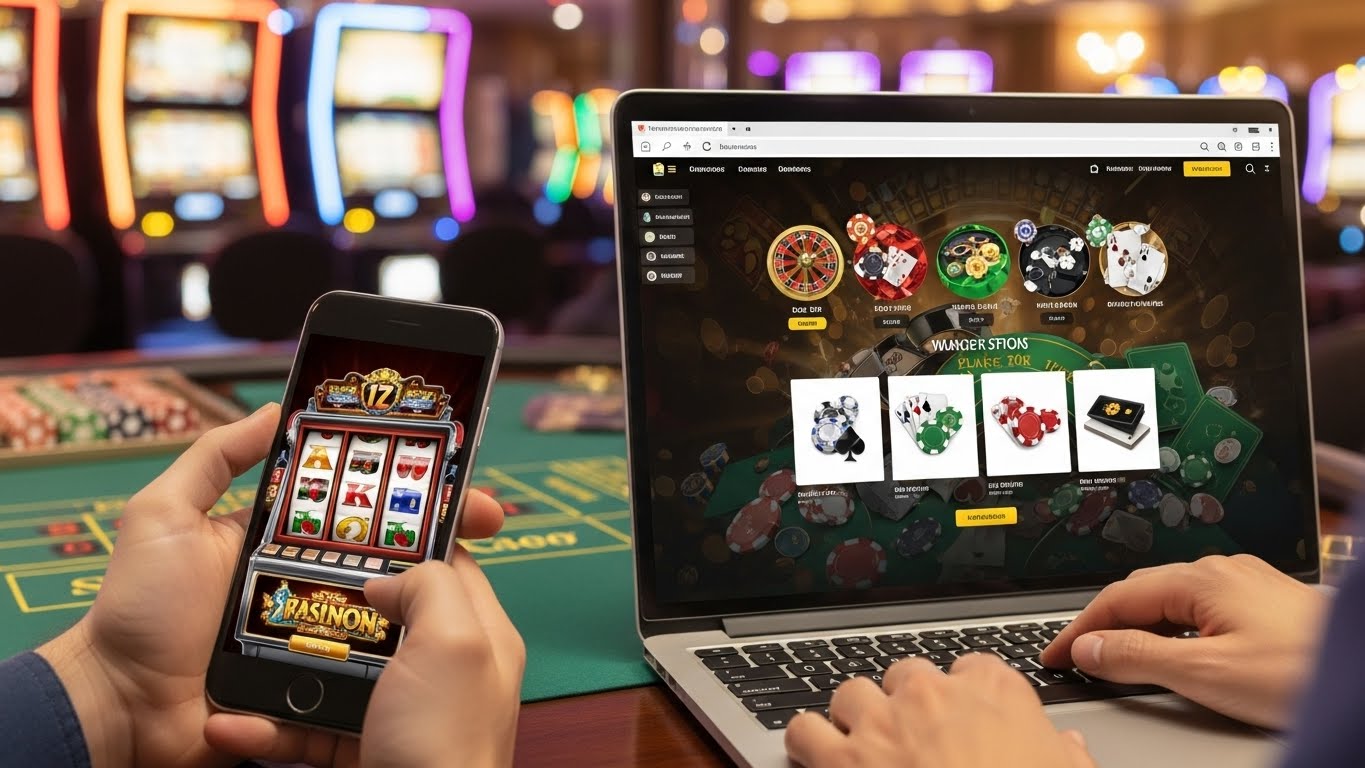
One of the most significant changes in iGaming came with the advent of smartphones. As mobile technology evolved, gaming shifted from traditional desktop computers to mobile devices. By the late 2000s and early 2010s, mobile apps became the primary platform for many iGaming experiences.
The ability to play casino games, sports bets, or even participate in virtual poker tournaments on a smartphone allowed players to game on-the-go, creating a much more flexible and convenient experience. Mobile iGaming platforms also became optimized for touch interfaces, offering smoother gameplay and enhanced user experience.
In addition, the development of native apps made it easier for players to access their favorite games directly, without having to navigate through web browsers. App-based gambling has now become one of the largest segments of the iGaming industry, as millions of players take advantage of mobile platforms to access online casinos, sportsbook betting, and other forms of gambling from anywhere at any time.
The Emergence of Esports and Virtual Sports Betting
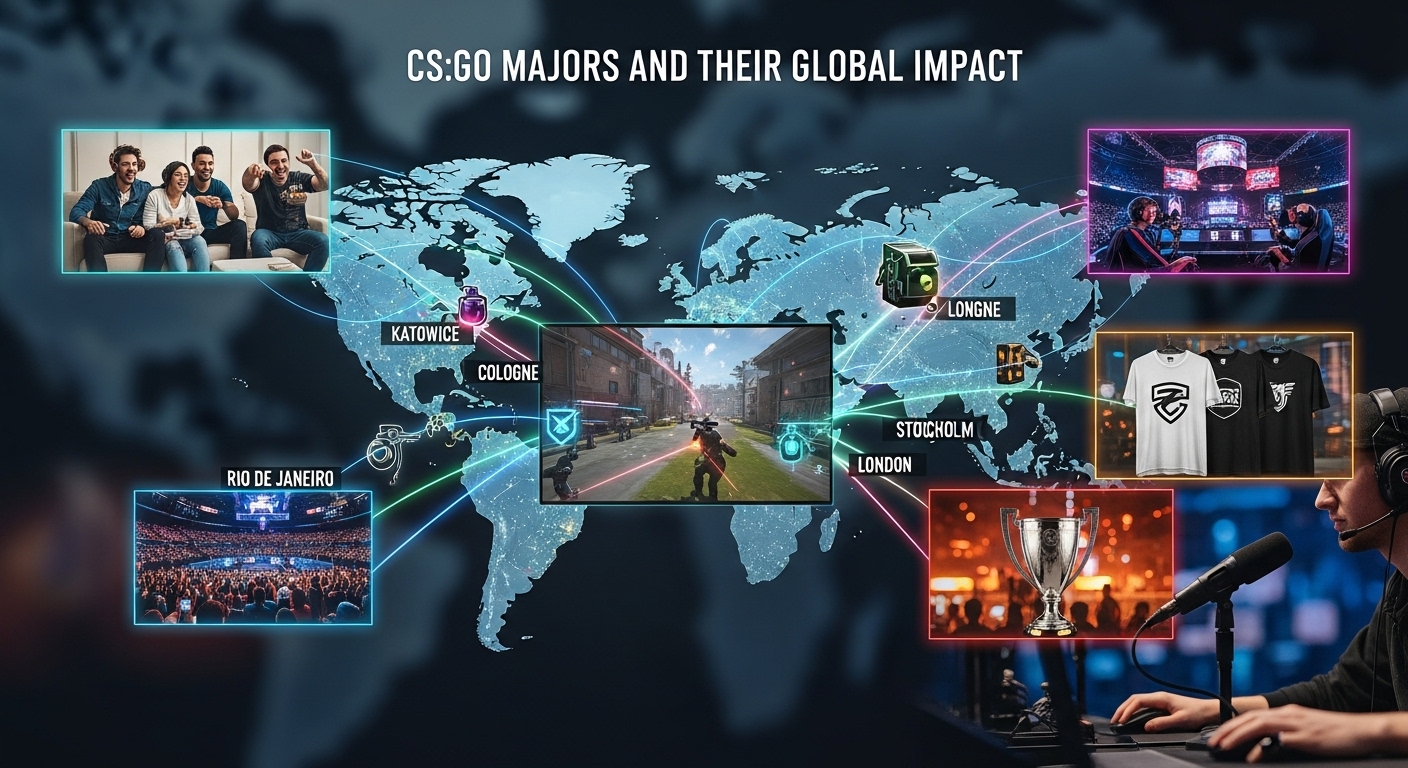
While traditional iGaming, such as poker and online casino games, has always been popular, another category of digital gambling that has exploded in recent years is esports betting. Esports—the competitive video gaming industry—has grown exponentially, with tournaments and leagues attracting millions of viewers globally. With this rise, the betting aspect of esports has become a massive market, offering fans the chance to place bets on their favorite teams or players in games like League of Legends, Counter-Strike, and Dota 2.
Esports betting offers something different from traditional sports betting, focusing on digital sports rather than physical ones. This has created a new dimension to iGaming, appealing to younger, tech-savvy audiences who are already deeply engaged in the world of gaming. Betting on esports involves a combination of knowledge about the game, its players, and the strategies employed, making it an exciting and dynamic form of wagering.
In addition to esports, virtual sports have gained popularity. Virtual sports are computer-generated simulations of real-world sports, where players can bet on simulated matches or events. These virtual events happen quickly, often lasting only minutes, which makes them an attractive option for players who enjoy fast-paced action and immediate results.
The Impact of Blockchain and Cryptocurrency
A new frontier in iGaming has emerged with the integration of blockchain technology and cryptocurrencies. Blockchain offers a decentralized, transparent, and secure way to conduct transactions, which has significant implications for online gambling. For example, players can now make deposits and withdrawals with cryptocurrencies like Bitcoin and Ethereum, bypassing traditional banking systems.
Cryptocurrency casinos and sportsbooks have emerged, offering users faster transactions, anonymity, and enhanced security. With the volatility of cryptocurrencies, some players see them as an exciting way to potentially profit, while others appreciate the transparency that blockchain technology offers. As the adoption of digital currencies continues to grow, we can expect their influence on iGaming to become even more pronounced in the coming years.
The Role of Responsible Gambling in iGaming
As iGaming has become more widespread, the need for responsible gambling practices has become a significant issue within the industry. The accessibility of online gambling, combined with the anonymity of digital platforms, has raised concerns about addiction, underage gambling, and other negative impacts.
Many online casinos, sportsbooks, and gaming platforms have implemented responsible gambling tools and policies, including self-exclusion options, setting deposit limits, and providing resources for players who may need help. Governments and regulatory bodies have also stepped in to ensure that operators adhere to strict guidelines designed to protect consumers.
As the iGaming industry continues to grow, the focus on responsible gaming will become even more essential, ensuring that players can enjoy their digital gambling experiences in a safe and secure environment.
The Future of iGaming
The future of iGaming looks incredibly promising, with several emerging trends shaping its trajectory. As technology advances, we can expect even more immersive experiences, such as virtual reality (VR) casinos, augmented reality (AR), and live-streamed casino games that bring the excitement of a physical casino to the digital world. Additionally, the integration of AI and machine learning could revolutionize personalized gaming experiences, allowing for more tailored gameplay and promotions based on player behavior.
Moreover, the continued global expansion of legal online gambling markets will open up new avenues for growth. As more countries adapt to the changing digital landscape and establish regulatory frameworks for online gambling, the industry will continue to attract new players and operators alike.
Conclusion: A New Era of Digital Entertainment
The world of iGaming is dynamic and ever-changing. From humble beginnings as simple online casino games to the multi-faceted, mobile-friendly, and technologically advanced platforms we see today, iGaming has revolutionized the way we think about gaming and gambling. It has bridged the gap between traditional entertainment and digital innovation, offering players an unprecedented level of access, variety, and excitement.
With new technologies like blockchain, VR, and esports betting continuing to shape the industry, iGaming is set to remain at the forefront of digital entertainment. For those seeking to explore the world of online gambling, the future promises even more thrilling and immersive experiences.
Whether you’re a casual player or a dedicated gambler, iGaming has something to offer everyone—transforming the way we play, bet, and enjoy digital entertainment in the 21st century.