




In the high-stakes world of esports, skill, strategy, and reflexes often take center stage. Spectators are captivated by the speed, accuracy, and creativity of professional players, but beneath the surface lies a quality that often determines who truly thrives under pressure—mental resilience. While mechanical precision and teamwork are essential, it is the ability to remain calm, focused, and determined that separates the good from the great. Mental resilience is the invisible armor that protects esports athletes from burnout, pressure, and the psychological demands of competition.
This blog explores why mental resilience is crucial in esports, how it impacts player performance, the challenges faced by competitive gamers, and the techniques that professional players use to strengthen their mental toughness.
The Demands of the Esports Arena
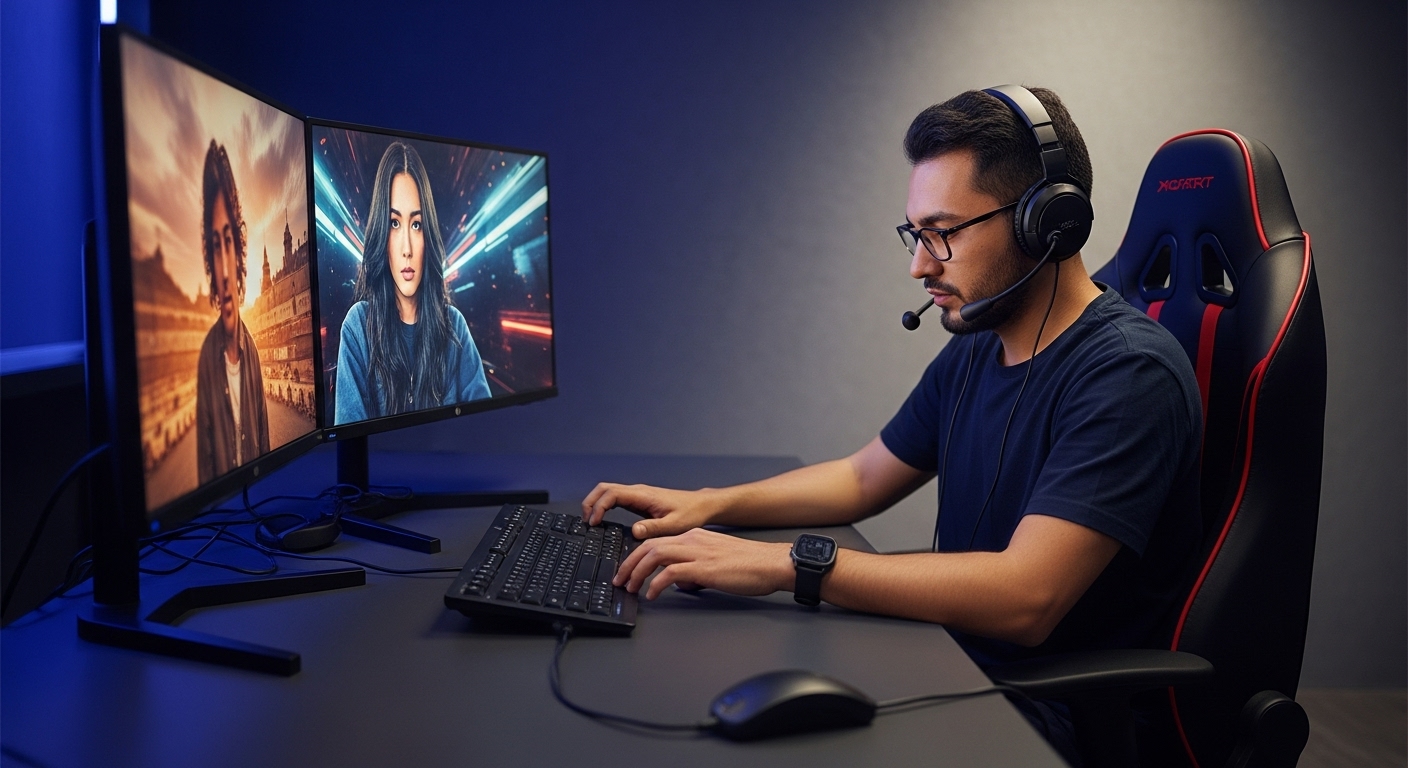
Esports may appear to be all about fast hands and sharp minds, but the mental challenges players face are far more complex. A single mistake can cost a team thousands of dollars and destroy months of preparation. Unlike traditional sports, esports athletes compete in high-intensity digital arenas where milliseconds matter. They must make split-second decisions, maintain composure under immense pressure, and adapt rapidly to opponents’ unpredictable tactics.
Moreover, the professional scene demands long hours of practice, often exceeding ten hours a day. These rigorous training schedules can lead to fatigue, stress, and mental exhaustion. When you combine the relentless pace of competition with the ever-growing expectations from fans, sponsors, and teams, it becomes clear why mental resilience is essential.
Esports players also face the additional pressure of public scrutiny. Every move is analyzed, every mistake criticized, and every loss questioned. This constant spotlight can affect a player’s confidence and self-esteem, making emotional regulation a vital skill.
Understanding Mental Resilience
Mental resilience is the ability to recover from setbacks, maintain focus under pressure, and continue performing consistently despite challenges. In esports, this means being able to shake off a bad round, stay composed in a tense match, and avoid tilting—a common term in gaming that refers to losing emotional control after frustration.
Resilience doesn’t mean never feeling stress or disappointment; it’s about managing those emotions constructively. It allows players to channel negative energy into motivation rather than despair. A resilient esports athlete doesn’t dwell on losses but instead learns from them and comes back stronger.
Psychologists often describe resilience as a combination of emotional intelligence, optimism, self-control, and perseverance. These traits enable athletes to handle the mental rollercoaster of competitive gaming and sustain high performance over time.
The Psychological Challenges in Esports
Esports athletes encounter unique psychological challenges that can test even the strongest minds. These challenges are not limited to competition days; they extend to every aspect of a player’s career.
1. Performance Anxiety:
Just like traditional athletes, esports players can experience pre-match anxiety. The fear of failure or disappointing teammates can create mental blocks that affect gameplay. Performance anxiety often leads to hesitation, overthinking, or tunnel vision—all of which can be detrimental in high-speed environments.
2. Burnout and Fatigue:
Because of the extensive hours spent training and competing, burnout is a common problem. Constant exposure to screens, lack of rest, and repetitive routines can lead to physical and emotional exhaustion. Once burnout sets in, motivation plummets, and performance suffers.
3. Toxicity and Online Pressure:
The online nature of esports exposes players to social media criticism, toxic comments, and public judgment. Negative feedback can undermine confidence, especially for younger players who may not yet have the mental maturity to handle it.
4. Team Dynamics and Conflict:
In team-based games like League of Legends or Dota 2, interpersonal conflict can disrupt harmony. Disagreements about strategy, communication breakdowns, or personality clashes can test a player’s emotional stability. Maintaining focus and unity amid conflict requires strong mental discipline.
5. Maintaining Consistency:
One of the hardest things for an esports player is staying consistent across multiple tournaments. The emotional highs of winning and the lows of losing can create an unstable mental state. True resilience means maintaining a balanced mindset regardless of results.
How Mental Resilience Shapes Performance
Mental resilience directly affects every aspect of competitive gaming. From strategic thinking to reaction speed, a player’s mental state can enhance or impair performance.
Focus and Concentration:
In esports, one lapse in attention can decide the outcome of a match. Resilient players train themselves to stay focused even when distractions arise. Whether it’s an unexpected mistake or an opponent’s taunt, their concentration remains unshaken.
Decision-Making Under Pressure:
Resilience helps players think clearly in stressful situations. A mentally strong gamer can assess information rapidly, choose optimal strategies, and execute plays with confidence, even in the final seconds of a round.
Adaptability:
Games evolve quickly, with patches, meta shifts, and new strategies constantly emerging. Resilient athletes embrace change rather than resist it. They view challenges as opportunities to improve instead of threats to their success.
Emotional Control:
Staying calm after a setback is perhaps the most defining feature of mental resilience. Players who can regulate their emotions avoid rash decisions, reduce the risk of tilting, and maintain a level-headed approach throughout competition.
Longevity in Esports:
Resilience is also key to career longevity. Many talented players retire early due to burnout or mental fatigue. Those who manage stress effectively and balance their emotional health often enjoy longer, more fulfilling careers.
Building Mental Resilience in Esports
Developing mental toughness is not a quick process—it requires consistent effort and self-awareness. Professional players and coaches increasingly incorporate mental training into their routines, recognizing its equal importance alongside technical practice.
1. Mindfulness and Meditation:
Many esports professionals use mindfulness techniques to enhance focus and emotional control. Meditation helps clear the mind, reduce anxiety, and improve concentration. Just a few minutes of deep breathing or mental visualization each day can create significant improvements in performance consistency.
2. Goal Setting:
Setting realistic, achievable goals gives players a sense of direction and purpose. Instead of focusing solely on winning, resilient players set process-oriented goals—like improving aim accuracy or communication efficiency—which lead to steady progress and long-term success.
3. Maintaining Work-Life Balance:
Rest and recovery are critical to mental health. Taking breaks, pursuing hobbies, and spending time with friends or family helps recharge emotional energy. Balanced players tend to perform better and experience less burnout.
4. Positive Self-Talk:
The inner dialogue players maintain has a huge impact on their confidence. Resilient athletes replace self-criticism with constructive self-talk. Instead of saying “I can’t believe I missed that shot,” they might think, “Next time, I’ll adjust my timing.” This mindset promotes growth rather than self-doubt.
5. Professional Support:
Top esports organizations now employ sports psychologists and mental performance coaches. These professionals teach players coping mechanisms, visualization techniques, and emotional regulation skills that enhance mental resilience.
6. Team Communication and Support:
In team environments, open communication and trust are vital. A resilient team supports one another through losses and celebrates victories together. This sense of camaraderie strengthens collective mental toughness.
The Role of Coaches and Organizations
Coaches play a crucial role in fostering resilience among their players. Beyond strategy and mechanics, a coach must understand how to motivate, guide, and emotionally support their team. Building a culture that values mental health and open communication helps athletes perform at their best.
Esports organizations are beginning to recognize that player welfare is integral to long-term success. Teams that prioritize mental resilience through workshops, counseling, and structured schedules tend to have more consistent results and lower turnover rates.
Some organizations also integrate sports psychology into their daily routines, conducting sessions on stress management, focus exercises, and team-building. These programs not only improve performance but also cultivate healthier work environments.
Case Studies of Mentally Resilient Esports Players
Throughout esports history, there are numerous examples of players who have demonstrated extraordinary mental resilience.
In games like Counter-Strike, players such as veterans who have competed for over a decade show how adaptability and composure can sustain a long career. They have faced roster changes, evolving metas, and immense public scrutiny but continue to perform at elite levels.
Similarly, champions in games like League of Legends or Dota 2 often emphasize the importance of mental preparation in interviews. Many attribute their success not just to mechanics but to their ability to handle pressure, remain positive after defeats, and stay motivated throughout long seasons.
These stories remind us that mental strength is not just a bonus—it’s a requirement for greatness.
The Future of Mental Training in Esports
As esports continues to grow, mental conditioning will become as standardized as physical training in traditional sports. More teams are hiring psychologists, implementing wellness programs, and encouraging open discussions about mental health.
Future training programs are likely to combine cognitive exercises, stress management techniques, and mindfulness training to produce well-rounded athletes. As science continues to uncover the links between psychology and performance, esports will increasingly focus on nurturing the mind alongside the body and reflexes.
This shift will also help destigmatize mental health issues in gaming culture. Players will feel more comfortable seeking help, and fans will begin to understand that resilience, not just reflexes, defines an esports champion.
The Connection Between Resilience and Team Success
In team-based esports, mental resilience extends beyond individual players. A single teammate’s frustration can affect the group’s synergy and morale. Teams that build a culture of mutual trust, communication, and accountability often outperform technically superior teams that lack cohesion.
Resilient teams share certain qualities: they recover quickly from losses, adapt to unexpected setbacks, and support one another through adversity. They don’t let internal conflicts escalate into personal issues, and they view mistakes as opportunities to learn rather than failures to dwell on.
Strong leadership within the team can also enhance resilience. Captains or veteran players who maintain composure under stress set the emotional tone for everyone else. This leadership helps stabilize performance during critical moments.
Mental Resilience Beyond Competition
Mental resilience doesn’t only benefit players inside the game; it also prepares them for life beyond competition. The skills developed through resilience—focus, discipline, emotional control, and perseverance—translate to personal growth and success in other areas.
When a player retires or transitions into coaching, streaming, or content creation, these traits continue to serve them. They help former athletes handle public attention, manage business pressures, and pursue new goals with the same determination they brought to the esports stage.
In this sense, mental resilience is not just the key to esports success—it’s the key to long-term fulfillment and balance in the fast-paced digital age.
Conclusion
The world of esports is as mentally demanding as it is exciting. Behind every incredible play lies countless hours of training, self-discipline, and emotional endurance. Mental resilience is what keeps players grounded through victories and defeats alike. It is the cornerstone of consistency, adaptability, and lasting success.
While physical skill and strategic understanding are vital, it is resilience that transforms talent into greatness. As the industry continues to evolve, so too must its recognition of mental strength as a core component of professional gaming.