





Introduction
The world of entertainment has undergone a remarkable transformation in the past few decades. Among the most significant developments is the rise of iGaming — a term that encompasses online betting, casinos, poker, esports wagering, and other forms of internet-based gaming. What began as a niche industry in the early days of the internet has evolved into a global powerhouse, attracting millions of players and generating billions in revenue annually.
iGaming is not merely about playing games for leisure; it represents the intersection of technology, entertainment, psychology, and finance. It reflects how digitalization has reshaped human habits and how innovation continues to push boundaries in interactive entertainment. This article explores the history, growth, technology, challenges, and future of iGaming, revealing why it has become one of the most dynamic sectors in the modern digital economy.
Understanding iGaming
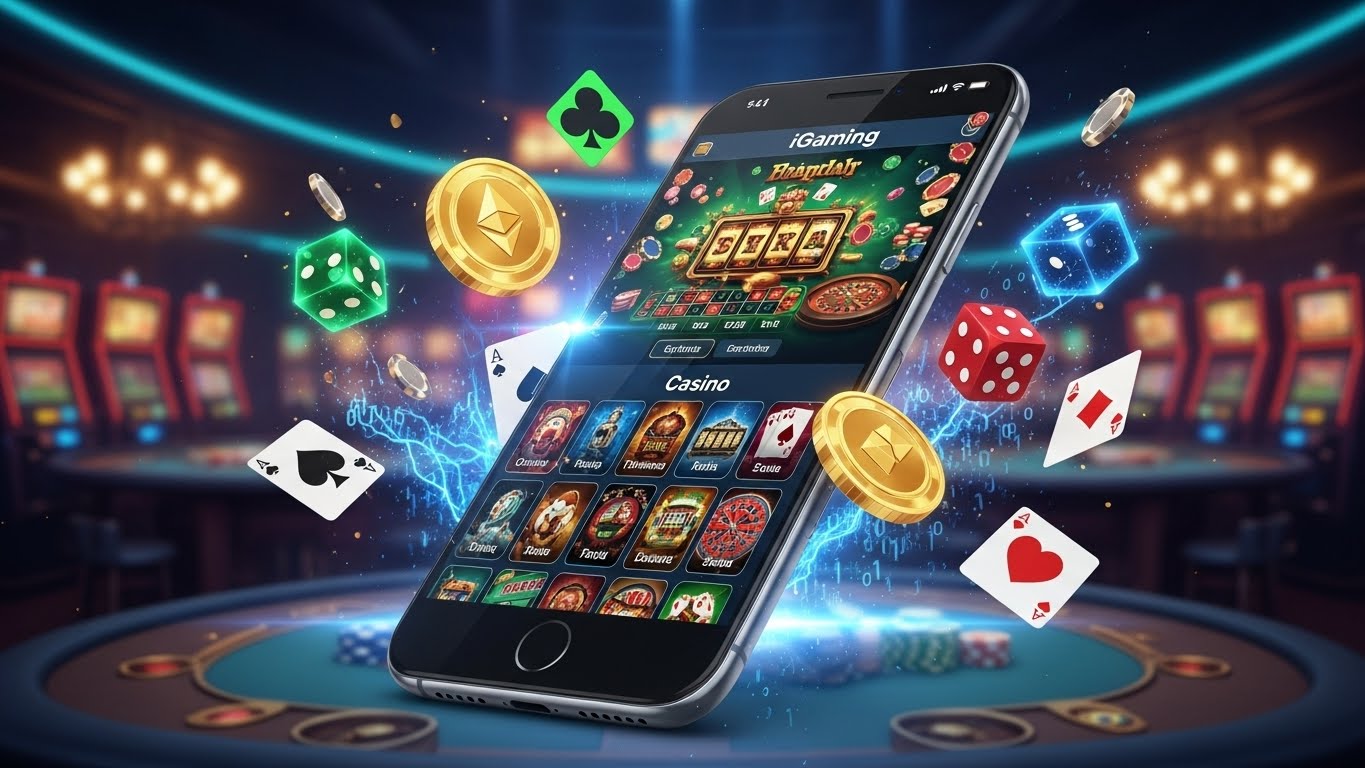
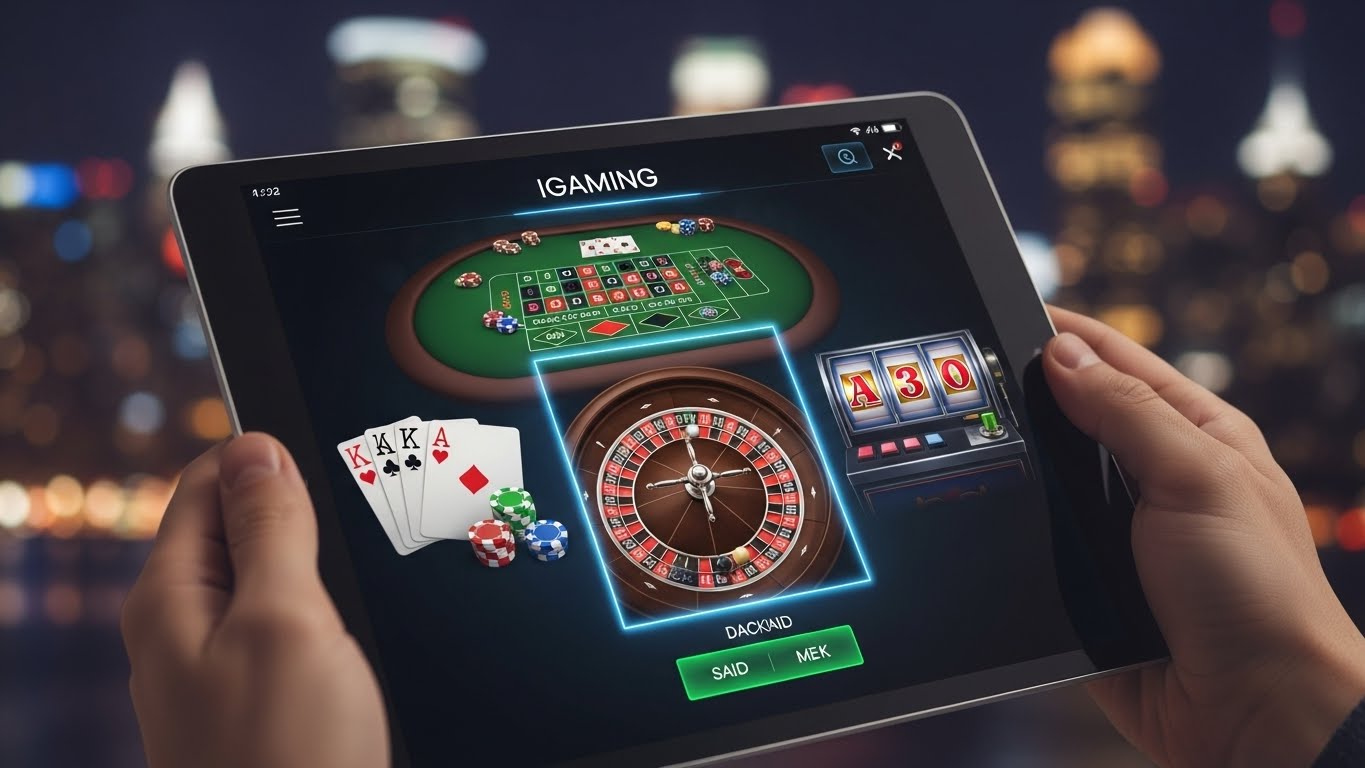
iGaming refers to any kind of gaming conducted through digital platforms where players can wager real money or virtual credits. It includes activities such as online casinos, sports betting, poker rooms, fantasy sports, bingo, and esports betting. Unlike traditional gaming that requires physical venues, iGaming leverages internet technologies, mobile devices, and cloud computing to offer entertainment accessible anytime and anywhere.
The appeal of iGaming lies in its convenience, variety, and interactive experiences. Players no longer need to visit brick-and-mortar casinos; they can participate in global tournaments, spin digital slot machines, or place sports bets from their phones. The blend of accessibility and technological sophistication has made iGaming an integral part of modern digital entertainment.
The Origins of iGaming
The roots of iGaming stretch back to the early 1990s when the internet first became commercially available. The first online casino emerged in 1994, operating under a newly developed gaming license in the Caribbean. These early websites were simple, offering a handful of basic games with limited interactivity. However, they laid the foundation for a revolution.
By the late 1990s, online poker rooms and sports betting platforms began to flourish. The concept of betting remotely gained popularity, especially in regions where internet access was growing rapidly. The convenience of playing from home, combined with the excitement of real-money gaming, attracted a new audience of digital gamblers.
The early 2000s saw rapid advancements in web design and encryption technology, enabling more secure and visually appealing platforms. This era marked the beginning of professional regulation and the introduction of responsible gaming measures to ensure player safety.
The Technological Backbone of iGaming
The success of iGaming relies heavily on technology. Several innovations have shaped its development and continue to drive its future growth.
Internet and Mobile Connectivity
Widespread access to high-speed internet and smartphones has revolutionized iGaming. Players can now engage in gaming sessions from virtually any location. Mobile applications and responsive websites ensure seamless gameplay experiences on all devices.
Random Number Generators (RNGs)
Fairness and unpredictability are essential in iGaming. Random Number Generators are algorithms that ensure every game outcome is random and unbiased. This technology has built trust between players and operators by guaranteeing transparency and integrity.
Artificial Intelligence and Machine Learning
AI has transformed player experiences by offering personalized game recommendations, predicting preferences, and detecting fraudulent activities. Machine learning algorithms analyze behavior to create dynamic gaming environments that adapt to individual users.
Virtual Reality and Augmented Reality
Virtual Reality (VR) and Augmented Reality (AR) are pushing iGaming into new dimensions. Players can now experience immersive casino environments, interact with virtual dealers, and compete in lifelike tournaments from home. These technologies blur the line between digital and physical experiences.
Blockchain and Cryptocurrencies
The integration of blockchain ensures transparency in transactions, while cryptocurrencies offer faster, secure, and anonymous payments. Players value the privacy and efficiency that digital currencies provide, and many iGaming platforms have adopted them as standard payment methods.
The Growth of Online Casinos
Online casinos represent one of the most lucrative segments of iGaming. What started as a few digital card and slot games has expanded into thousands of sophisticated titles with high-quality graphics, themes, and bonus systems.
Slot machines dominate online casinos due to their simplicity and visual appeal. Game developers create unique storylines, animations, and sound effects that enhance immersion. Meanwhile, table games such as blackjack, roulette, and baccarat attract players who enjoy strategy and tradition.
Live dealer games have become a major innovation. Through high-definition video streaming, players interact with professional dealers in real time, replicating the atmosphere of physical casinos. This hybrid experience has bridged the gap between virtual and real-world gaming, drawing both new and experienced players alike.
The Rise of Sports Betting and Esports Wagering
Sports betting has been one of the oldest forms of gambling, but digital technology has amplified its reach. Online platforms now allow users to place bets on global sports events, from football and basketball to horse racing and cricket. Real-time data analysis, live odds updates, and in-play betting options have enhanced engagement, making sports wagering a thrilling experience.
Esports betting, a relatively recent addition, is expanding rapidly. With the explosive popularity of games like League of Legends, Counter-Strike: Global Offensive, and Dota 2, millions of fans follow esports tournaments. Betting on digital competitions has opened new revenue streams for iGaming operators and new entertainment for gaming enthusiasts.
Esports wagering exemplifies how iGaming and digital culture intersect. It caters to younger audiences who are more familiar with gaming environments and seek interactive, tech-driven forms of entertainment.
The Psychology of iGaming
Behind every successful iGaming experience lies an understanding of human psychology. Developers and operators carefully design games to maximize engagement, excitement, and retention.
Reward systems play a central role. Features such as bonus rounds, free spins, and loyalty programs trigger positive reinforcement, encouraging players to continue. The unpredictability of outcomes creates suspense, while near-miss events generate anticipation and emotional investment.
Social interaction also enhances engagement. Many platforms include chat functions, leaderboards, and multiplayer options, fostering a sense of community among players. The psychological satisfaction derived from competition and social recognition adds an emotional layer to the gaming experience.
However, this powerful combination of excitement and reward can also lead to excessive play. Therefore, responsible gaming measures — such as self-exclusion tools, spending limits, and awareness campaigns — are vital to maintaining player well-being.
The Role of Game Developers
Game developers are the creative engines of iGaming. Their innovation drives the industry forward, blending art, mathematics, and technology to deliver captivating experiences.
Leading developers invest heavily in research and development, focusing on graphics, sound design, gameplay balance, and user experience. Themes range from ancient civilizations and fantasy worlds to modern adventures and pop culture.
Many developers employ advanced algorithms to ensure smooth performance across devices and fair play outcomes. The competitive nature of the industry encourages constant experimentation with new mechanics, storylines, and visual effects. As a result, iGaming content continues to evolve, attracting a diverse audience.
Regulations and Responsible Gaming
Regulation is essential to maintaining trust in iGaming. Governments and licensing authorities establish frameworks to ensure fair play, protect consumers, and prevent illegal activity.
Licensed operators must adhere to strict guidelines on security, data protection, and transparency. Regular audits and certifications verify that platforms comply with international standards.
Responsible gaming initiatives are also crucial. Operators promote awareness about gambling addiction and provide tools that help players control their activity. Features like deposit limits, time reminders, and access to support organizations reflect the industry’s commitment to player safety.
The balance between innovation and regulation defines the sustainability of iGaming. Ethical practices not only protect consumers but also enhance the industry’s reputation as a legitimate form of entertainment.
The Business of iGaming
The iGaming industry is a global economic powerhouse, generating billions in annual revenue. Its profitability stems from diverse income streams, including player wagers, advertising, partnerships, and technology licensing.
Online gaming companies often operate on a model that combines player engagement with innovation. Strategic marketing, loyalty programs, and mobile optimization drive user acquisition and retention.
Affiliate marketing also plays a vital role. Independent websites and influencers promote platforms in exchange for commissions, creating a vast network of digital promotion.
Moreover, iGaming has spurred growth in related industries, such as cybersecurity, fintech, and digital marketing. Its influence extends beyond entertainment, shaping employment and technology development worldwide.
The Global Appeal of iGaming
One of the most remarkable aspects of iGaming is its global reach. It transcends borders, languages, and cultures. Players from Asia, Europe, North America, and Africa participate in the same virtual environments, united by shared interests.
Cultural preferences influence gaming styles. For instance, poker and sports betting dominate in the West, while mobile slots and social gaming are popular in Asia. Regional regulations and payment methods also shape the market landscape.
The universality of iGaming demonstrates its adaptability. Whether through large-scale tournaments or casual mobile apps, it offers entertainment accessible to anyone with an internet connection.
Challenges Facing the iGaming Industry
Despite its success, iGaming faces several ongoing challenges.
Regulatory Complexity
Different countries have distinct laws regarding online gaming, creating a complex web of compliance requirements. Operators must navigate diverse regulations while maintaining consistent quality and transparency.
Cybersecurity Threats
Because iGaming involves financial transactions and personal data, cybersecurity is a major concern. Operators invest heavily in encryption, authentication, and fraud detection to safeguard users.
Market Saturation
As more platforms emerge, competition intensifies. Differentiation through innovation and branding is essential for survival in a crowded market.
Ethical Concerns
The industry must continuously address issues related to gambling addiction and underage participation. Promoting responsible gaming remains a top priority to ensure long-term sustainability.
The Future of iGaming
The future of iGaming is bright and filled with potential. Emerging technologies are reshaping how people play and interact with digital entertainment.
Artificial Intelligence Integration
AI will continue to personalize gaming experiences, predict player behavior, and enhance fraud prevention. It will also assist in developing smarter game mechanics and adaptive difficulty levels.
Virtual and Augmented Reality
Immersive technologies will redefine how players experience casinos and games. Virtual environments will offer lifelike interactions, creating a deeper sense of realism and excitement.
Mobile Dominance
Mobile devices will remain the primary platform for iGaming, with developers optimizing content for smaller screens and integrating features like voice control and biometric authentication.
Blockchain Evolution
Blockchain technology will enhance transparency and decentralization. Smart contracts could automate payouts and ensure fairness without intermediaries.
Global Expansion
As internet accessibility increases in developing regions, new markets will open up. Localized content and payment solutions will drive further growth.
Conclusion
iGaming stands at the intersection of technology, entertainment, and human psychology. It has transformed from a small-scale online experiment into a global industry that defines modern digital culture. The combination of convenience, innovation, and interactivity has made iGaming one of the most influential entertainment sectors of the twenty-first century.
The journey of iGaming reflects human adaptability and the continuous desire for excitement and connection. As technology advances, the line between digital and physical experiences will blur even further, offering players richer, safer, and more immersive worlds.
In the coming years, iGaming will continue to shape not just how we play, but how we interact, think, and experience entertainment in the digital age. It is more than just gaming — it is a reflection of the evolving relationship between humans and technology, one that promises endless innovation and opportunity for those who dare to explore it.