





Introduction
In the digital age, friendships are no longer confined to physical spaces like schools, workplaces, or neighborhoods. The internet has expanded the way humans connect, and among the most powerful platforms for building bonds are multiplayer games. Far from being just a source of entertainment, multiplayer gaming has become a social ecosystem where people interact, collaborate, compete, and form meaningful relationships that can last a lifetime.
The idea that video games are isolating has been challenged by the rise of multiplayer formats. Whether it is cooperative campaigns, competitive arenas, or massive online worlds, multiplayer games provide shared experiences that create the foundation for genuine friendships. These digital environments foster teamwork, communication, and trust in ways that parallel real-world interactions.
This blog explores how multiplayer games build friendships, the psychology behind these connections, their cultural impact, and why these virtual bonds often translate into meaningful real-world relationships.
The Evolution of Multiplayer Games
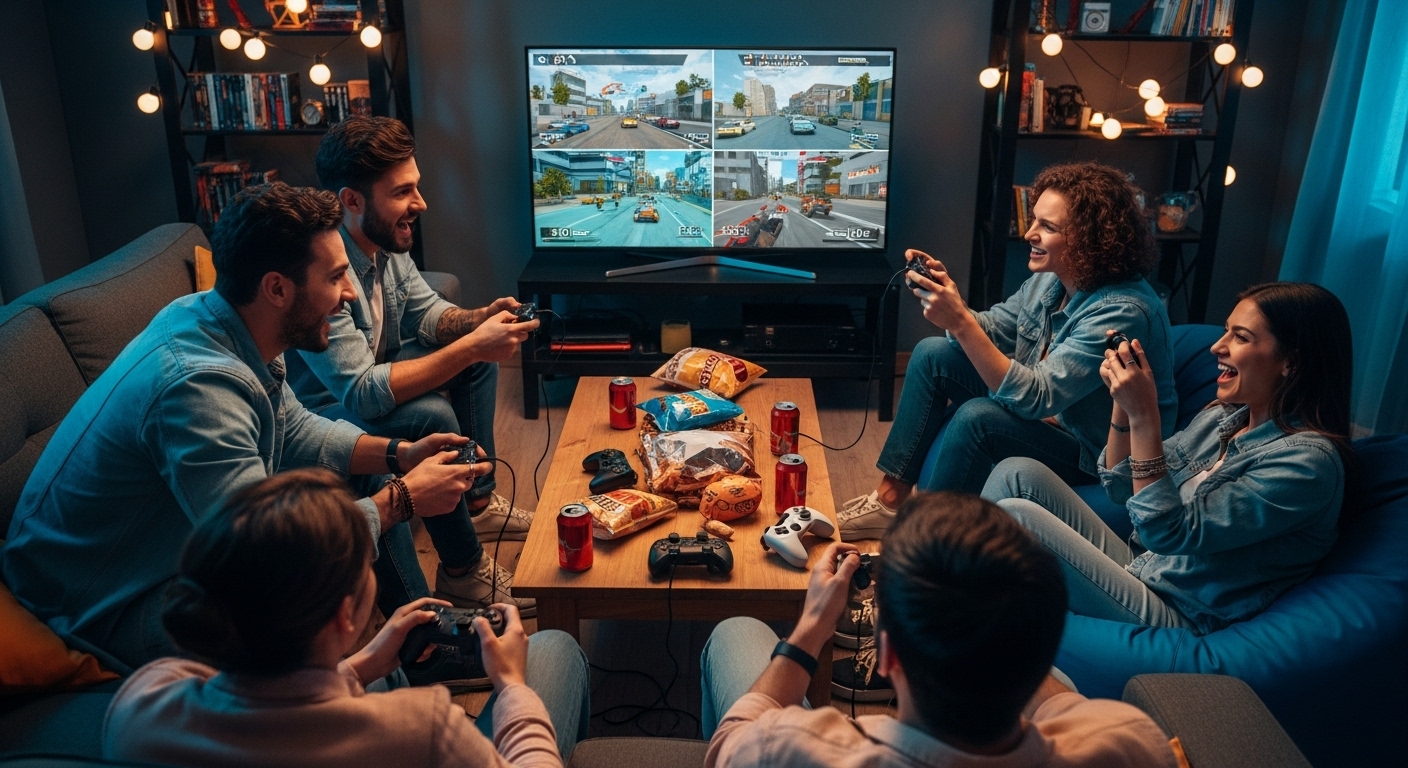
To understand how multiplayer games build friendships, it is important to first recognize how they evolved. In the early days of gaming, multiplayer meant playing side by side on the same console. Titles like Pong, Street Fighter, and Mario Kart allowed two or more players to compete in the same physical space. This kind of couch gaming brought friends and family together around a television screen, strengthening bonds through laughter, rivalry, and cooperation.
The rise of the internet transformed multiplayer gaming into a global phenomenon. Online platforms allowed players to connect with people across cities, countries, and continents. Games like Counter-Strike, World of Warcraft, and Halo not only popularized online multiplayer but also created communities where friendships thrived.
Today, multiplayer gaming spans countless genres and formats. From battle royale shooters and cooperative RPGs to social simulators and sandbox worlds, these games act as meeting places where players interact as naturally as they might in a café or park. The evolution of technology has ensured that these digital friendships are not just possible but increasingly common.
Shared Goals and Teamwork
One of the most powerful ways multiplayer games foster friendships is through shared goals. Whether players are coordinating to defeat a difficult boss, constructing a city together, or surviving against rival teams, the sense of working toward a common objective creates a natural bond.
Cooperation encourages communication. Players must strategize, delegate roles, and rely on one another’s skills. Over time, this reliance builds trust, and trust is the bedrock of any strong friendship. Just as colleagues at work become friends through shared projects, teammates in games form connections by overcoming challenges together.
Teamwork also provides opportunities for recognition and appreciation. When a player saves a teammate in a dire moment or contributes a crucial strategy, gratitude and respect emerge, deepening the relationship. These small acts of mutual support accumulate into meaningful bonds.
Communication as a Bridge
Modern multiplayer games thrive on communication. Voice chat, text messaging, and even in-game gestures allow players to express themselves and interact socially. Unlike single-player games, where the focus is solely on personal experience, multiplayer games are built around dialogue and collaboration.
Through conversations about strategies, victories, and failures, players naturally share pieces of their personalities. A simple chat about tactics can lead to discussions about daily life, hobbies, or personal challenges. These exchanges often extend beyond the game, moving into messaging apps or social media, and eventually forming the basis of friendships that exist both online and offline.
Communication also brings humor and camaraderie. Joking with teammates, laughing at mistakes, or celebrating wins together creates shared memories, much like hanging out in real life. These interactions form emotional connections that transcend the digital setting.
The Role of Competition in Friendship
While cooperation fosters teamwork, competition adds another dimension to multiplayer friendships. Friendly rivalry motivates players to improve while offering opportunities for playful banter and shared excitement. Whether two friends are battling one another in a fighting game or competing together against rival teams, the thrill of competition often strengthens bonds.
Healthy competition also teaches respect. Players learn to appreciate the skills of their peers and often become closer through mutual admiration. The balance between rivalry and respect mirrors real-world friendships, where challenging one another can push personal growth while maintaining a sense of fun and support.
Virtual Worlds as Social Spaces
Massively multiplayer online games (MMOs) and sandbox titles have redefined what it means to connect in a virtual space. These worlds function like digital cities, where players can explore, trade, build, and socialize. Games like these provide a platform for casual interaction, allowing friendships to form organically without the pressure of structured gameplay.
Virtual worlds also enable players to share experiences beyond combat or competition. They can attend virtual events, celebrate milestones, or simply hang out in a favorite in-game location. These moments mirror real-life social gatherings and reinforce a sense of belonging.
For many, these digital environments offer an inclusive space where they feel more comfortable expressing themselves. Friendships built in such worlds often carry deeper emotional significance, especially for individuals who may feel isolated in their offline lives.
Overcoming Distance and Cultural Barriers
One of the most remarkable aspects of multiplayer gaming is its ability to connect people across the globe. Players from different countries, cultures, and backgrounds can meet and collaborate as if they were in the same room. This shared passion for gaming transcends barriers that might otherwise prevent connection.
Through regular interaction, players learn about each other’s cultures, traditions, and perspectives. These cross-cultural friendships broaden horizons and foster empathy, turning games into tools for global understanding. In many cases, players even travel to meet their gaming friends in person, proving that digital connections can extend into lifelong real-world bonds.
Emotional Support and Friendship in Gaming Communities
Friendships in multiplayer games often extend beyond gameplay. Many players find emotional support through their gaming friends, sharing personal struggles or celebrating life achievements. The consistent presence of friends online creates a dependable support network.
For individuals facing loneliness, social anxiety, or difficult circumstances, these communities can be life-changing. A team that gathers nightly to play together may become more than just gaming partners; they become confidants and friends who provide encouragement and understanding.
Gaming communities also offer spaces where individuals with shared interests can connect. Guilds, clans, or online forums create group identities that reinforce belonging. These structures mimic social organizations in the real world, where membership fosters loyalty and camaraderie.
Building Trust Through Collaboration
Trust is at the heart of friendship, and multiplayer games naturally cultivate it. Relying on teammates to protect, heal, or guide you in a game mirrors trust in real-life collaborations. Over time, repeated positive interactions establish reliability, and reliability turns acquaintances into friends.
Trust also develops when players respect one another’s time and effort. Showing up for scheduled raids, helping a teammate gather resources, or supporting a friend through a difficult level demonstrates commitment. These acts of reliability strengthen relationships and show that players value each other beyond the game itself.
The Role of Humor and Shared Experiences
Some of the strongest bonds in friendships come from laughter and shared memories. Multiplayer games create countless opportunities for both. Unexpected glitches, dramatic comebacks, and ridiculous strategies often lead to hilarious stories that players retell for years.
These shared experiences function like inside jokes, creating a unique language between friends. They remind players of their history together and reinforce the bond each time they are recalled. In this way, the digital world becomes a canvas for storytelling and memory-making.
Multiplayer Games and Real-Life Friendships
Not all gaming friendships remain online. Many transition into real-life relationships. Players meet at gaming conventions, tournaments, or simply arrange visits. These in-person encounters often solidify bonds, turning online friends into lifelong companions.
Even when friendships remain online, they can have profound real-world effects. Having someone to talk to regularly, celebrate achievements with, or rely on for encouragement can improve mental health and well-being. For many, gaming friendships are just as significant as those formed in physical spaces.
The Psychology Behind Gaming Friendships
Psychologists note that shared activities are one of the primary ways people form bonds. Multiplayer games provide a structured environment for repeated interaction, which is a key ingredient in building closeness.
Games also lower barriers to entry in conversations. Instead of struggling to find topics, players always have the game as a starting point. This natural icebreaker reduces social anxiety and makes forming connections easier.
Furthermore, gaming often reveals personality traits such as leadership, empathy, or humor. These traits become visible through gameplay, allowing players to assess compatibility and form genuine friendships based on character rather than superficial details.
The Importance of Inclusivity
Multiplayer games have become a diverse space, welcoming players of different ages, genders, and backgrounds. This inclusivity fosters friendships that might not occur in traditional settings. A teenager in one country can become close friends with an adult halfway across the globe, united by a shared love for the same game.
Developers are increasingly aware of this and design multiplayer experiences to encourage cooperation and positive interaction. Inclusivity not only enriches gameplay but also broadens the range of friendships that can form.
Challenges in Multiplayer Friendships
While multiplayer games foster friendships, they are not without challenges. Toxic behavior, harassment, or miscommunication can strain relationships. Players must navigate these obstacles carefully to maintain healthy interactions.
Additionally, the transient nature of online communities means that some friendships fade as players move on to new games or platforms. However, the friendships that endure often do so because they are built on more than just gameplay—they are rooted in genuine care and connection.
The Future of Multiplayer Friendships
As technology advances, multiplayer games will continue to evolve as spaces for building friendships. Virtual reality, augmented reality, and more immersive online platforms will bring players even closer together, creating experiences that rival in-person interaction.
AI-driven matchmaking may also help connect players with compatible personalities, fostering friendships more efficiently. The lines between gaming and social networking will blur further, making multiplayer games a central hub for both entertainment and socialization.
Conclusion
Multiplayer games are more than digital playgrounds; they are powerful tools for building and sustaining friendships. Through shared goals, teamwork, communication, humor, and trust, players form bonds that often extend far beyond the screen. These friendships cross cultural and geographical boundaries, proving that meaningful human connection can flourish in virtual spaces.
In a world where technology often gets blamed for isolating people, multiplayer games demonstrate the opposite: they create opportunities for connection, support, and community. The friendships formed in these digital worlds are real, enduring, and often life-changing.
As multiplayer games continue to grow and evolve, so too will their role as one of the most dynamic and accessible ways for people to meet and build friendships in the modern era.