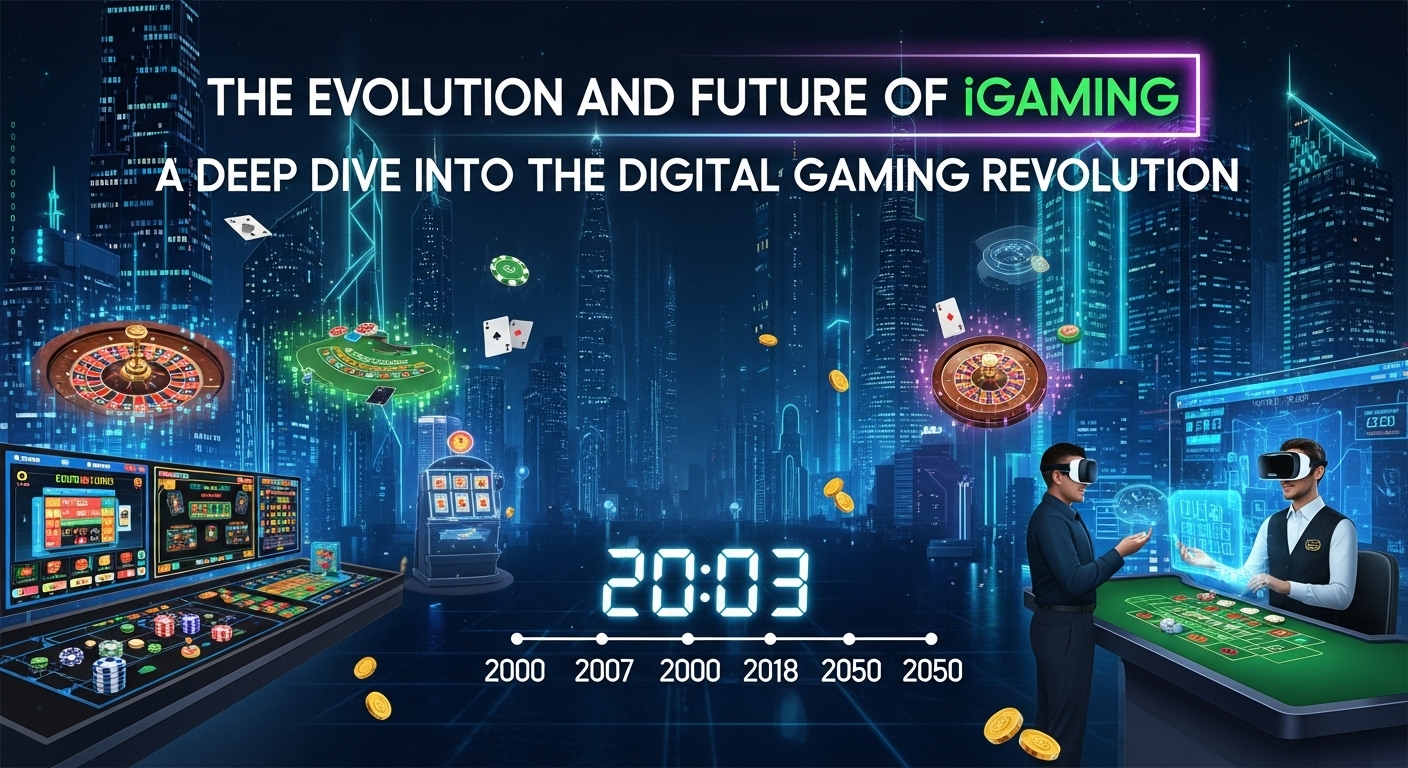






iGaming, or internet gaming, has become one of the most prominent and rapidly growing sectors within the global entertainment industry. With its increasing popularity, iGaming has attracted millions of players worldwide, offering them the thrill of online casino games, sports betting, poker, and other forms of digital gambling. What started as a niche market has now blossomed into a multi-billion-dollar industry, with innovations in technology constantly reshaping the way people engage with games of chance and skill.
In this blog post, we will explore the rise of iGaming, its various facets, the technology that powers it, and the potential future trends shaping this dynamic sector.
The Evolution of iGaming
The roots of iGaming can be traced back to the early days of the internet. The first online casino launched in 1994, when the government of Antigua and Barbuda passed the Free Trade and Processing Act, allowing online gambling operations to be licensed. This legislation helped pave the way for other countries to develop their own regulations, enabling the expansion of online gaming platforms.
At first, the range of games offered was limited, consisting mostly of online versions of traditional casino games like blackjack, roulette, and slot machines. However, as internet speeds improved and technology advanced, online casinos began offering more sophisticated games, including live dealer tables, video poker, and even virtual sports betting.
The significant turning point for the industry came in the early 2000s, with the rise of mobile gaming. Mobile devices became more powerful and accessible, allowing players to enjoy their favorite games anywhere, anytime. This marked a major shift in consumer behavior, as gaming became more integrated into daily life. Players no longer needed to visit a physical casino to enjoy the excitement of a game – they could simply pull out their phones or laptops and access a world of entertainment from the comfort of their homes.
iGaming’s Broad Spectrum: Casino Games, Sports Betting, and More
One of the most compelling aspects of iGaming is its wide range of offerings, catering to a diverse audience with different preferences and interests. The sector includes several subcategories, each of which offers unique experiences and opportunities for players.
Online Casino Games
Online casinos are the backbone of the iGaming industry, providing players with the ability to enjoy traditional casino games in a digital format. These games include:
- Slots: Online slot machines are one of the most popular games in the iGaming world. With a variety of themes, bonus features, and progressive jackpots, slot games offer endless entertainment and the chance to win big. Many online casinos partner with software developers like Microgaming, NetEnt, and Playtech to provide players with a wide selection of high-quality slot games.
- Table Games: Traditional casino table games like blackjack, roulette, baccarat, and craps have been digitized and adapted for online play. These games can be played against computer algorithms or real live dealers in live casino rooms. The thrill of competing against a real dealer has become a major draw for players who crave a more authentic casino experience.
- Video Poker: Video poker combines elements of poker and slot machines, offering players the opportunity to use skill and strategy to improve their odds of winning. Popular variations of video poker include Jacks or Better, Deuces Wild, and Joker Poker.
Sports Betting
Sports betting is another pillar of the iGaming world. With the increasing availability of online sports betting platforms, fans of various sports now have the ability to place bets on live events, from football and basketball to niche sports like esports and virtual sports.
In traditional sports betting, players wager on the outcome of a specific game or event, with odds determined by bookmakers. iGaming platforms have enhanced this experience by offering live betting, where users can place wagers on ongoing events in real-time. This dynamic and interactive form of betting has gained immense popularity, especially for sports like soccer, tennis, and American football.
Moreover, the rise of esports has introduced a new frontier for sports betting. Esports, or competitive video gaming, has exploded in popularity, with millions of fans tuning in to watch top players and teams compete. Sports betting platforms have jumped on this trend, offering odds on esports events and tournaments across a wide range of games like League of Legends, Dota 2, and Counter-Strike: Global Offensive.
Online Poker
Poker has been a staple of both brick-and-mortar casinos and home games for centuries, but the digital revolution has brought it into the online realm with even greater accessibility. Online poker rooms host thousands of players each day, allowing them to compete in various formats such as Texas Hold’em, Omaha, and Seven-Card Stud.
The rise of poker tournaments like the World Series of Poker (WSOP) has given the game a huge global following, and online platforms have allowed players to participate in these events from anywhere in the world. The allure of poker, combined with the skill and strategy required to succeed, continues to attract players to online poker rooms.
The Technology Driving iGaming
iGaming’s meteoric rise would not have been possible without advancements in technology. Several key technologies have played a pivotal role in making online gambling more engaging, secure, and accessible.
Mobile Gaming
One of the biggest shifts in the iGaming industry came with the widespread adoption of smartphones and tablets. With the majority of the global population now owning a mobile device, gaming companies quickly adapted their platforms to work seamlessly on these devices. This move to mobile gaming revolutionized the industry, making it possible for players to enjoy their favorite casino games, poker, and sports betting platforms anywhere, anytime.
Mobile gaming has also allowed developers to create more interactive and user-friendly experiences. Features like touchscreens, gyroscopes, and augmented reality (AR) have made mobile gaming more immersive than ever before.
Live Dealer Technology
Live dealer games have become a cornerstone of the iGaming experience, allowing players to interact with real human dealers through live-streamed video feeds. This technology bridges the gap between traditional land-based casinos and online gaming, offering a more realistic and engaging experience for players.
Live dealer casinos feature real dealers who manage games such as blackjack, roulette, and baccarat in real time. Players can interact with the dealers via live chat, placing bets and making decisions just like they would in a physical casino. This advancement has brought a sense of excitement and authenticity to online gambling, making it more appealing to players who want a casino-like atmosphere from the comfort of their homes.
Blockchain and Cryptocurrency
Blockchain technology has had a significant impact on the iGaming sector, especially in terms of transparency and security. Blockchain is a decentralized ledger system that records transactions across multiple computers in a way that ensures security, transparency, and tamper-proof data.
Many iGaming platforms have adopted blockchain to offer cryptocurrency-based payments, which provide faster and more secure transactions. Cryptocurrencies like Bitcoin, Ethereum, and Litecoin allow players to make deposits and withdrawals without the need for traditional banking intermediaries, enhancing both privacy and efficiency.
Blockchain also helps ensure fairness in games, as it allows players to verify the integrity of game results. Some online casinos use blockchain to provide provably fair games, where players can independently audit the fairness of the games they play.
Legal and Regulatory Landscape of iGaming
The legal and regulatory environment surrounding iGaming is a crucial factor in its continued growth. The status of online gambling varies widely across different countries, with some nations embracing iGaming as a legal and regulated industry, while others have stricter laws or outright bans.
In countries like the United Kingdom, Malta, and Canada, iGaming is regulated by government agencies that ensure operators comply with strict licensing requirements. These regulations help protect players from fraud, ensure fair gaming, and promote responsible gambling practices. Licensed operators must adhere to industry standards, including player data protection, anti-money laundering protocols, and responsible gaming initiatives.
In contrast, many countries still struggle with the complexities of regulating iGaming. In the United States, for example, online gambling has only been legalized in certain states, with varying degrees of regulation. Similarly, some countries in Asia and the Middle East have placed severe restrictions on online gambling due to cultural or religious reasons.
As the global iGaming market continues to grow, there will likely be increasing efforts to standardize regulations and create international frameworks for safe and fair online gambling.
The Future of iGaming: Trends to Watch
The iGaming industry is evolving at an extraordinary pace, and several trends are expected to shape its future:
Virtual and Augmented Reality (VR/AR)
Virtual reality and augmented reality technologies are poised to revolutionize the iGaming sector, offering players fully immersive gaming experiences. With VR headsets and AR technologies, players could find themselves in a digital casino that feels just as real as a brick-and-mortar venue, but with the added convenience of playing from home.
Artificial Intelligence (AI)
AI has the potential to enhance various aspects of iGaming, from personalized game recommendations to advanced customer service via AI-powered chatbots. AI can also improve the fairness and security of online games, as it can help detect patterns of cheating or fraudulent behavior.
Gamification
Gamification, the use of game-design elements in non-game contexts, is becoming increasingly common in online casinos and sportsbooks. Players can now earn rewards, badges, and experience points as they play, adding an extra layer of excitement and motivation to the gaming experience.
Esports Betting
With the meteoric rise of esports, esports betting has become a key area of growth within the iGaming industry. As esports continues to gain mainstream popularity, betting on competitive video game tournaments will only increase, providing new opportunities for both bettors and operators.
Conclusion: iGaming’s Bright Future
iGaming has experienced phenomenal growth over the past few decades, and its trajectory shows no signs of slowing down. From traditional casino games to sports betting and esports, the diversity of gaming options available online continues to attract millions of players worldwide. As technology continues to innovate, the iGaming experience will only become more immersive, accessible, and exciting.