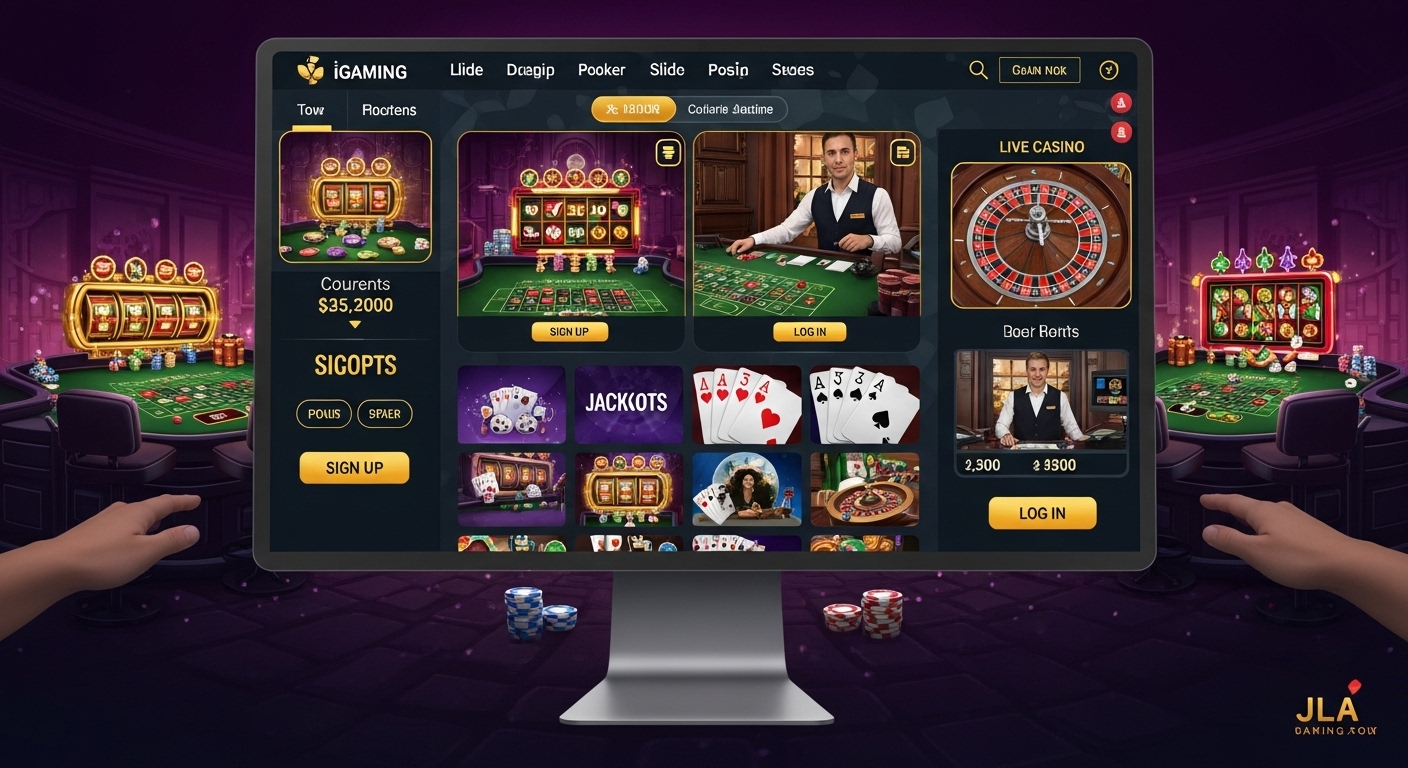






The world of gambling has undergone a massive transformation over the past few decades. What was once limited to brick-and-mortar casinos has now expanded into a thriving digital ecosystem known as iGaming. iGaming, or internet gaming, encompasses online casinos, sports betting, poker, bingo, and other forms of digital gambling. Its rise has been fueled by advances in technology, shifting consumer behavior, and the widespread adoption of mobile devices. In this article, we explore the history, technology, trends, and future of iGaming, providing a comprehensive understanding of this booming industry.
The History of iGaming
The origins of iGaming can be traced back to the mid-1990s when the internet started to become widely accessible. The first online casinos appeared in 1994, leveraging early internet protocols to offer virtual games of chance. These platforms were primitive by today’s standards, often featuring basic graphics and limited game options. However, they represented a significant step in bringing traditional gambling to the digital realm.
Initially, the audience for online gambling was small, composed primarily of tech-savvy enthusiasts who had access to personal computers and internet connections. As the technology evolved, so did the demand for more sophisticated platforms. The introduction of secure online payment systems and advancements in encryption technology helped establish trust among users, allowing iGaming to grow into a legitimate and highly regulated industry.
By the early 2000s, online poker had become a phenomenon. Poker rooms like PartyPoker and PokerStars attracted millions of players globally, with tournaments offering life-changing prizes. This period also saw the emergence of online sports betting, which further expanded the reach of iGaming and cemented its position as a mainstream entertainment option.
Understanding iGaming
iGaming is a broad term encompassing various forms of online gambling. Some of the key components include:
Online Casinos
Online casinos replicate the experience of physical casinos, offering games like slots, blackjack, roulette, and baccarat. Modern platforms feature high-quality graphics, live dealer options, and immersive sound effects to create an authentic experience. The ability to play from the comfort of home has made online casinos particularly appealing, especially in regions where traditional gambling is limited or inaccessible.
Sports Betting
Sports betting has been a staple of the gambling industry for decades, but the rise of digital platforms has transformed the way people wager on sporting events. Online sportsbooks allow users to place bets on a wide variety of sports, from football and basketball to horse racing and esports. Real-time odds, live streaming, and in-play betting have elevated the excitement of sports gambling to unprecedented levels.
Online Poker
Online poker remains one of the most popular segments of iGaming. It combines skill, strategy, and luck, attracting players from diverse backgrounds. Digital poker platforms often host cash games and tournaments, allowing players to compete against opponents worldwide. The accessibility of online poker has also led to a rise in professional players who make a living solely from digital competition.
Bingo and Lottery
Digital versions of bingo and lottery games cater to a slightly different audience. They emphasize social interaction and community engagement, often incorporating chat features and group play. These games may not offer the same high stakes as poker or sports betting, but they provide a fun, casual alternative for players seeking entertainment and relaxation.
Technology Behind iGaming
The growth of iGaming has been closely linked to technological advancements. Key technologies driving the industry include:
Random Number Generators (RNGs)
RNGs are the backbone of online casino games, ensuring that outcomes are random and fair. These algorithms generate unpredictable sequences of numbers, simulating the randomness of traditional games like roulette or slot machines. Regulatory bodies often audit RNG systems to guarantee transparency and protect players from manipulation.
Live Dealer Streaming
Live dealer games have revolutionized online casinos by bridging the gap between digital and physical gambling. Using high-definition video streaming, players can interact with real dealers in real time. This technology creates an immersive experience, enhancing trust and engagement.
Mobile Gaming
Smartphones and tablets have had a profound impact on iGaming. Mobile platforms allow players to access games anywhere, at any time, making gambling more convenient and engaging. Many online casinos now offer dedicated apps optimized for mobile play, ensuring smooth performance and intuitive interfaces.
Payment Solutions
Secure and diverse payment options are critical for the success of iGaming platforms. Digital wallets, cryptocurrencies, and instant banking solutions have simplified deposits and withdrawals, making it easier for players to engage in online gambling safely. Payment security also reinforces trust, which is crucial for sustaining long-term growth.
The Rise of Esports Betting
Esports, or competitive video gaming, has emerged as a significant segment within iGaming. Millions of players and fans participate in or follow esports tournaments globally, creating lucrative opportunities for betting platforms. Esports betting differs from traditional sports betting due to the unique nature of video games, which involve rapidly changing odds and complex in-game dynamics.
Betting on esports requires specialized knowledge of the games, teams, and player performance. Platforms often provide live odds and statistics to help users make informed wagers. The popularity of esports betting continues to grow, driven by the convergence of gaming culture and digital gambling.
Responsible Gambling in iGaming
While iGaming offers entertainment and potential rewards, it also comes with inherent risks. Problem gambling can lead to financial loss, addiction, and psychological distress. To address these challenges, many platforms have implemented responsible gambling measures, including:
- Deposit Limits: Allowing players to set limits on how much they can deposit over a certain period.
- Time Limits: Encouraging players to manage the time they spend on gambling platforms.
- Self-Exclusion Tools: Enabling players to temporarily or permanently block themselves from accessing gambling services.
- Support Resources: Providing access to counseling, helplines, and educational materials on gambling addiction.
Responsible gambling initiatives are critical to maintaining a sustainable and ethical iGaming industry. Platforms that prioritize player well-being foster trust, loyalty, and long-term engagement.
Regulatory Landscape of iGaming
iGaming is highly regulated in most jurisdictions. Licensing authorities enforce strict rules to ensure fair play, protect consumers, and prevent illegal activities. Some of the most reputable regulatory bodies include:
- Malta Gaming Authority (MGA): Known for comprehensive regulations and rigorous compliance standards.
- United Kingdom Gambling Commission (UKGC): Ensures transparency, fairness, and player protection in the UK market.
- Gibraltar Regulatory Authority (GRA): Oversees international operators and enforces strict operational guidelines.
Operators must comply with local laws, obtain proper licenses, and adhere to anti-money laundering regulations. A strong regulatory framework not only protects players but also enhances the credibility of the iGaming industry as a whole.
Trends Shaping the Future of iGaming
The iGaming industry continues to evolve, driven by technological innovation and changing consumer preferences. Key trends shaping the future include:
Virtual Reality (VR) and Augmented Reality (AR)
VR and AR technologies are set to transform online casinos by creating fully immersive experiences. Players can explore virtual casino floors, interact with dealers and other players, and engage in games that feel as real as traditional casinos. These technologies have the potential to redefine digital gambling by merging entertainment, social interaction, and gaming.
Artificial Intelligence (AI)
AI is increasingly used to enhance user experiences, from personalized game recommendations to fraud detection. AI-powered chatbots provide instant customer support, while machine learning algorithms analyze player behavior to offer tailored promotions and incentives.
Blockchain and Cryptocurrencies
Blockchain technology introduces transparency, security, and decentralization to iGaming. Cryptocurrencies enable fast, secure, and anonymous transactions, appealing to a growing segment of tech-savvy players. Smart contracts and decentralized platforms also open new possibilities for fair and trustless gaming environments.
Gamification and Social Features
Gamification elements, such as leaderboards, achievements, and rewards, are being integrated into iGaming platforms to boost engagement. Social features, including multiplayer games and interactive chat rooms, foster a sense of community and shared experience, making online gambling more entertaining and immersive.
Economic Impact of iGaming
The iGaming industry contributes significantly to the global economy. It generates billions of dollars in revenue, creates employment opportunities, and drives technological innovation. Online gambling operators invest heavily in software development, marketing, and infrastructure, fueling economic growth in multiple sectors.
Moreover, taxation of iGaming revenue provides governments with substantial income, which can be allocated to public services and community development. The industry’s economic impact extends beyond operators, benefiting technology providers, payment processors, and marketing agencies.
Challenges Facing the iGaming Industry
Despite its rapid growth, iGaming faces several challenges that must be addressed:
- Regulatory Compliance: Navigating complex and evolving legal frameworks requires significant investment and expertise.
- Cybersecurity Risks: Online platforms are vulnerable to hacking, data breaches, and fraud, necessitating robust security measures.
- Problem Gambling: Balancing revenue generation with responsible gambling initiatives remains a constant challenge.
- Competition: The industry is highly competitive, with numerous operators vying for market share and player loyalty.
Addressing these challenges is essential for sustaining growth, maintaining player trust, and ensuring the long-term viability of the iGaming ecosystem.
Conclusion
iGaming has evolved from a niche online curiosity to a global entertainment powerhouse. Its growth has been fueled by technological innovation, changing consumer habits, and the proliferation of digital platforms. From online casinos and poker to sports and esports betting, iGaming offers diverse opportunities for entertainment, engagement, and economic contribution.
The future of iGaming promises even more exciting developments, with VR, AI, blockchain, and gamification reshaping the landscape. However, the industry must continue to prioritize responsible gambling, regulatory compliance, and cybersecurity to ensure sustainable growth.
As digital technology continues to advance, iGaming will remain at the forefront of online entertainment, offering immersive experiences and connecting players across the globe. For enthusiasts, it represents not only a chance to win but also a way to engage with cutting-edge technology and a vibrant online community.